The Hidden Battle Your Skin Fights After Outdoor Adventures
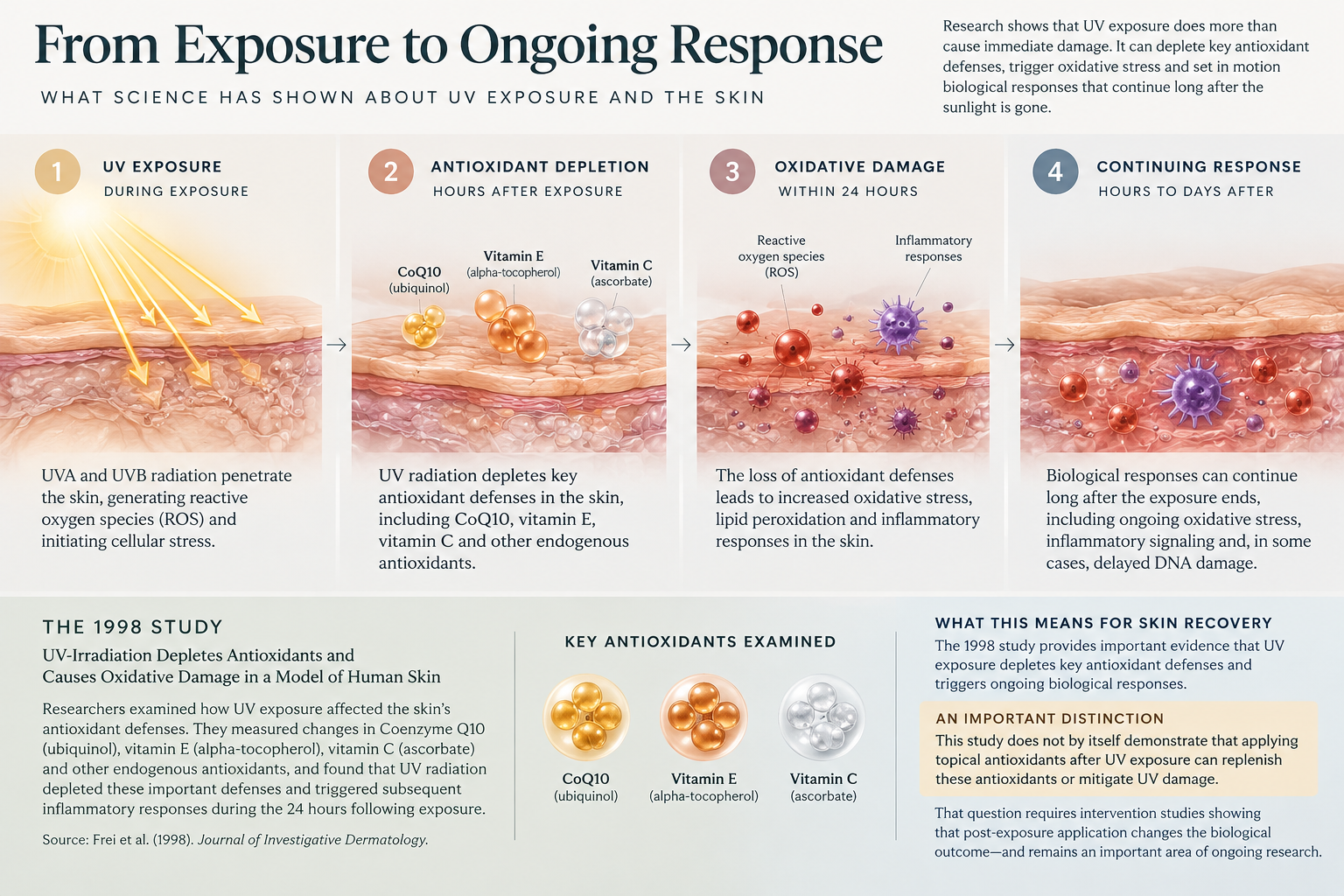
We understand muscle recovery after a hard day outdoors. But what about our skin? Explore the implications of recent research and learn how skin may continue responding after UV and environmental exposure ends—and why recovery deserves more attention.
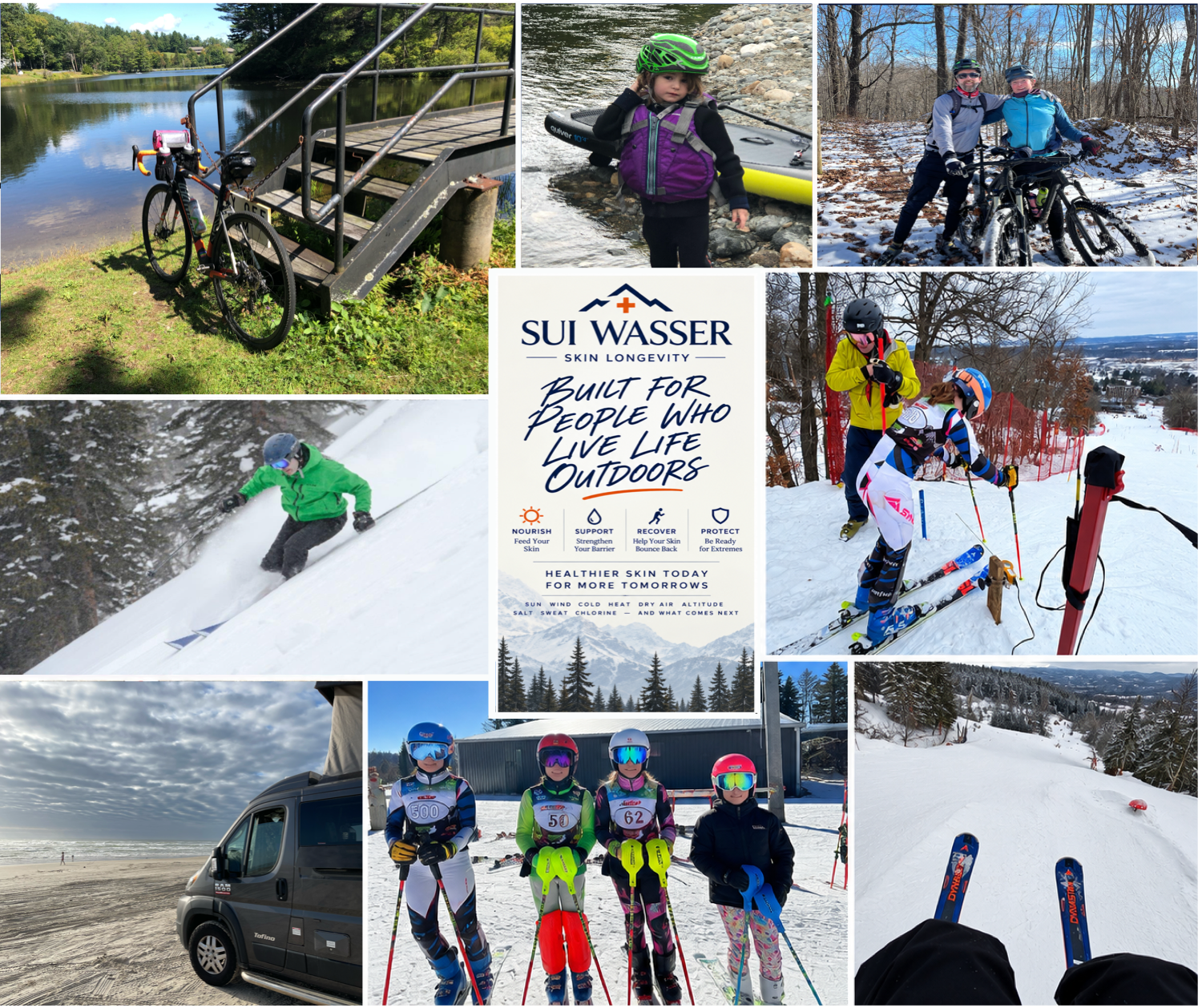
Why Does SUI WASSER Exist? ...and Why Are We Approaching Outdoor Skincare Differently?
We believe outdoor skincare has been approaching the problem ass-backwards.
For decades, outdoor skincare has focused primarily on what we do before exposure. SUI WASSER asks a different question: What should we be doing afterward—and every day—to help our skin keep up with a lifetime spent outdoors?
Protection matters. Sunscreen matters. But for people who spend a lifetime outside, that’s only part of the equation. We built SUI WASSER around the part that’s too often overlooked: what happens to our skin afterward.
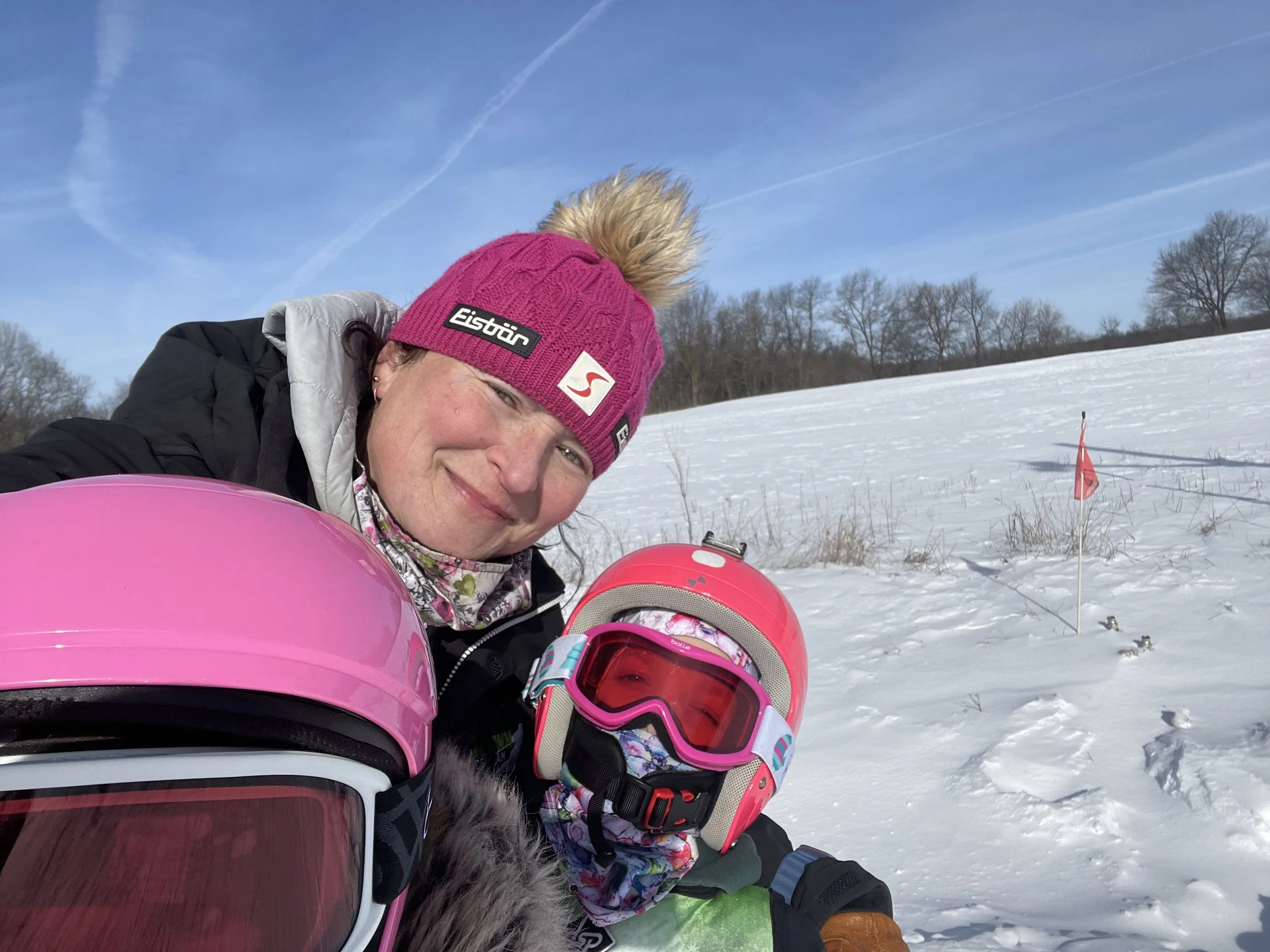
Why Topical Antioxidants Matter More as Our Skin Ages
Our skin’s antioxidant defenses change as we age—even as exposure to sun, wind, cold, heat and dry air continues. Here’s why topical antioxidants such as Vitamin E, Vitamin C and CoQ10 may become increasingly relevant to long-term skin health and Skin Longevity.
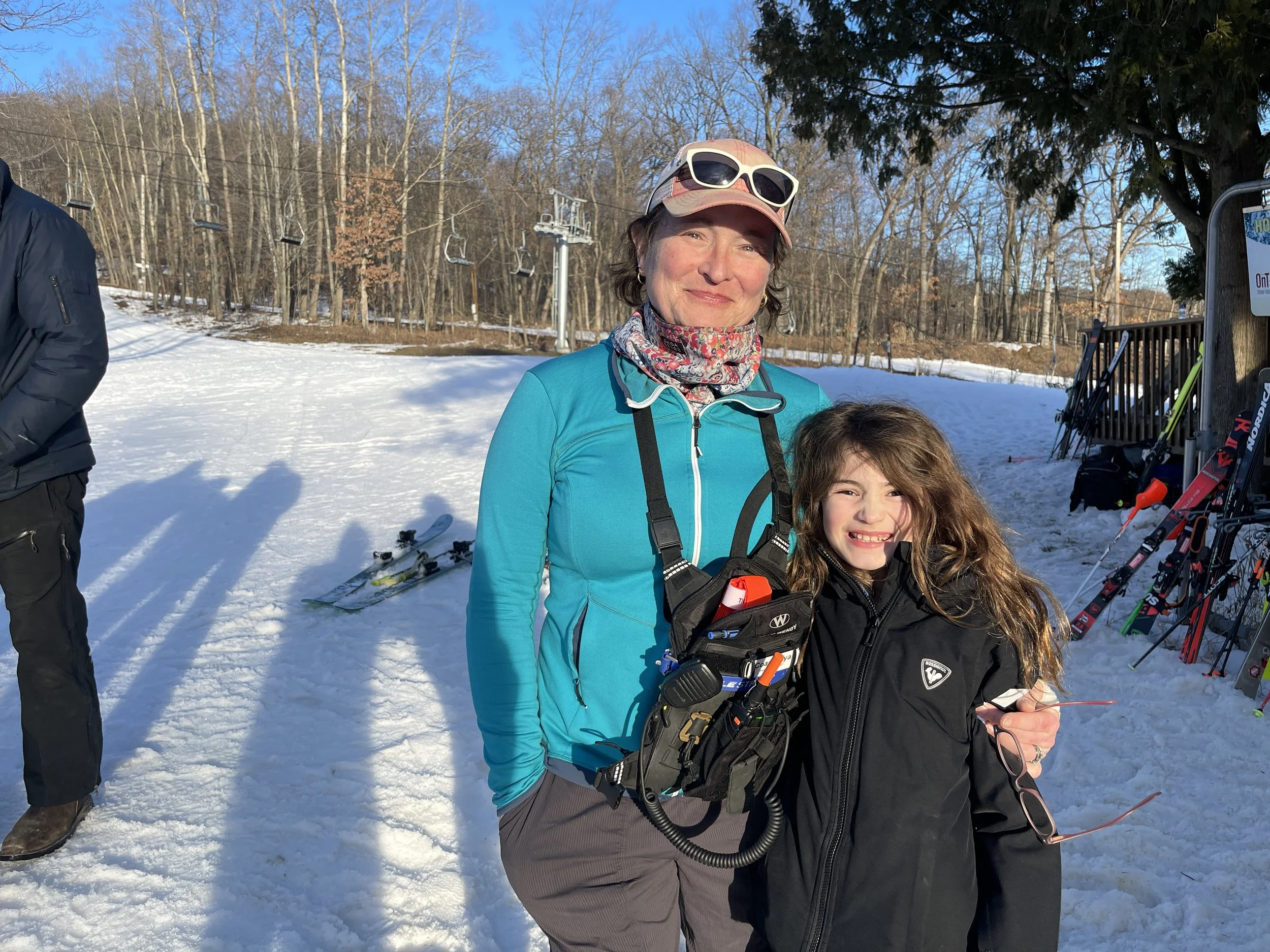
Your Skin Changed. The Lifestyle Didn’t. Did Your Skincare Change With It?
The skincare that worked at 25 may not be what our skin needs at 45, 55 or 65. After decades spent outdoors, I began noticing the difference myself—and it changed the way I thought about skincare, aging and eventually, balm.
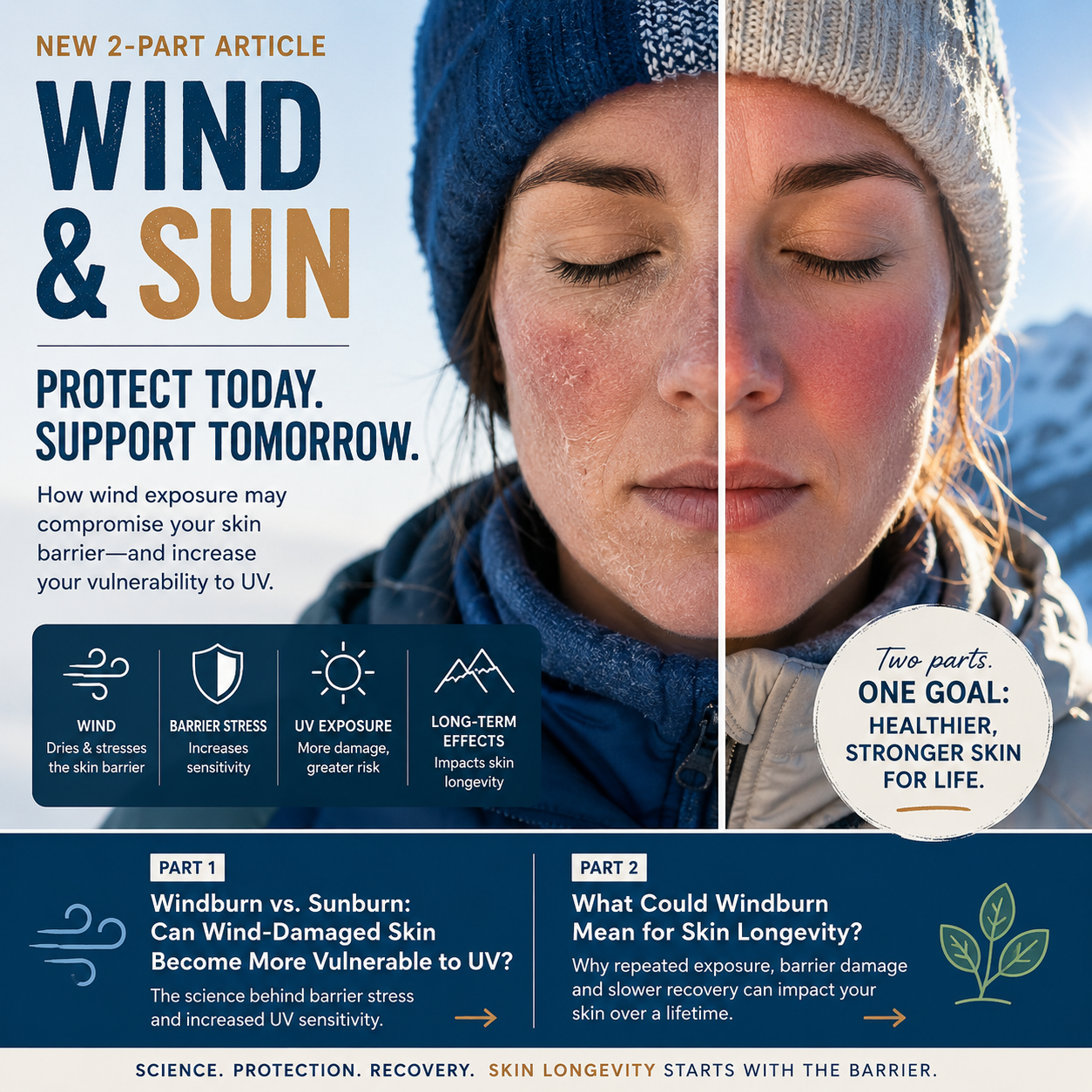
Windburn vs. Sunburn: Can Wind-Damaged Skin Become More Vulnerable to UV?
Windburn and sunburn are often talked about as separate problems, but the relationship between wind, skin-barrier damage, and ultraviolet exposure may be more closely connected than it first appears.
In this two-part article, Part One — “Windburn vs. Sunburn: Can Wind-Damaged Skin Become More Vulnerable to UV?” looks at how cold, dry, moving air can stress the skin barrier and examines research suggesting that compromised skin may respond more strongly to ultraviolet radiation.
Part Two — “What Could Windburn Mean for Skin Longevity?” takes the discussion further, exploring what repeated cycles of wind exposure, barrier disruption, UV stress, and recovery may mean for skin over years and decades.
Together, the two parts look beyond windburn as a temporary outdoor annoyance and consider a larger question: how might protecting and maintaining the skin barrier contribute to healthier, more resilient skin over a lifetime?
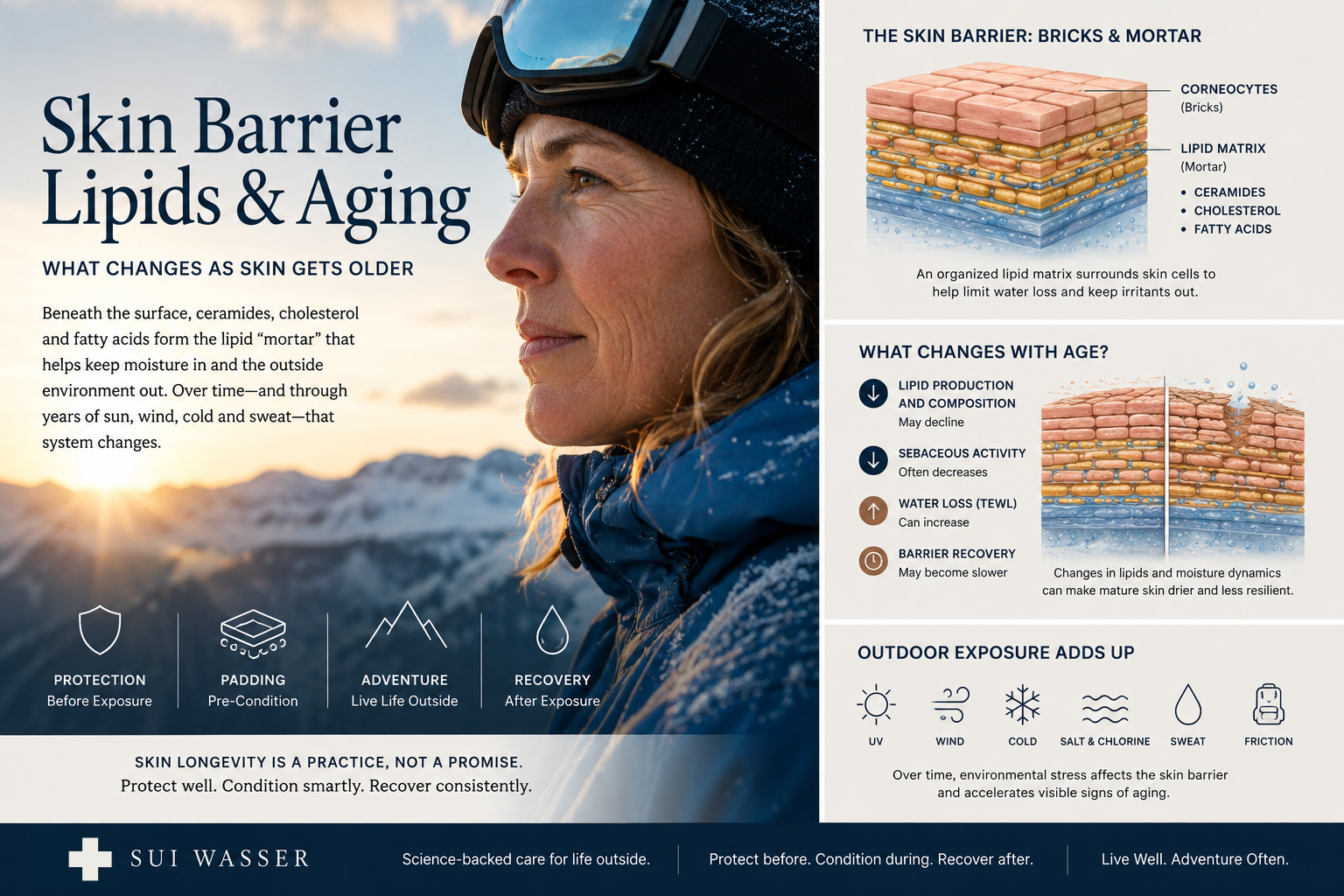
Skin Barrier Lipids & Aging: What Changes as Skin Gets Older
What happens to the skin barrier as we get older? Ceramides, cholesterol and fatty acids help regulate moisture loss and protect the skin’s outer surface, but barrier biology changes with age. We explore the science of skin barrier lipids, environmental exposure, moisture loss and what it all means for Skin Longevity—especially for people who spend a lot of life outdoors.
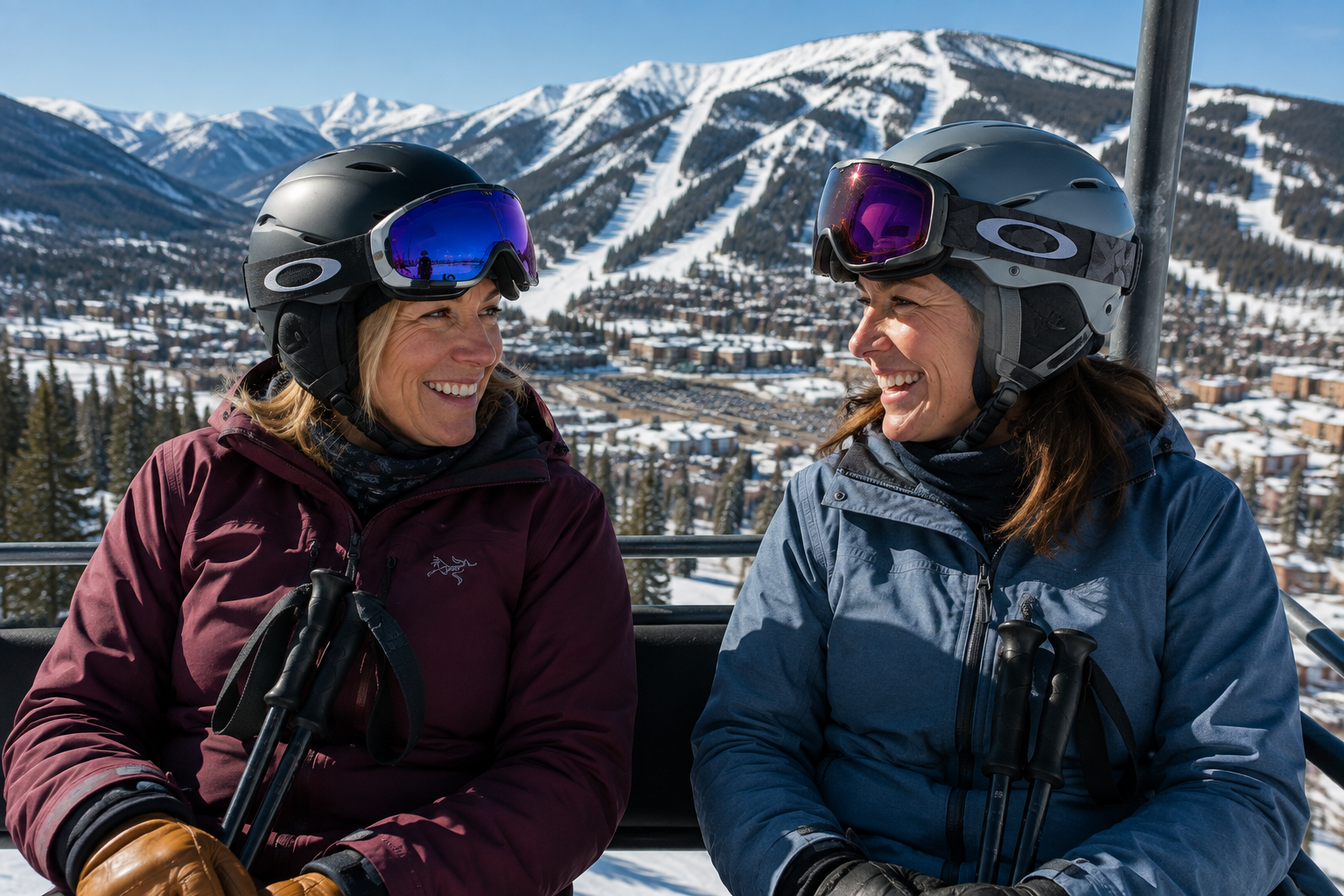
Why Your Skin Barrier Changes as You Age — and Why Outdoor Exposure Matters
As we age, our skin barrier changes—and decades of exposure to sun, wind, cold and dry air can add another layer of stress. Learn why barrier health, hydration and environmental protection are becoming central to the emerging idea of skin longevity.