
THE WINTER SKIN FIELD GUIDE Field Guide 001 — Environmental Science | Skin Barrier | Winter Protection
SUI WASSER | THE WINTER SKIN FIELD GUIDE
Field Guide 001 — Environmental Science | Skin Barrier | Winter Protection
Skiing is truly a magical sport. The first chair on a brutally cold winter morning up in the Rockies can feel perfect right up until the lift reaches the ridge. Then the wind finds the strip of skin between your goggles and neck gaiter. You pull your hood up over your helmet on those days. Your cheeks tighten. Your lips sting. By lunch, a day that began with fresh snow has become a full environmental workout for your muscles and, least we forget, your skin.
The SUI WASSER Winter Skin Field Guide starts with a simple premise: winter is not one condition. It’s an accumulation of cold, wind, super dry air, intense UV light, and reflected rays—not to mention repeatedly moving between freezing air and heated rooms. For skiers, runners, cyclists, outdoor workers, hikers, and anyone who spends long days outside, those exposures overlap rather than taking turns.
Cold. Wind. Dry Air. Sunlight. Your Skin Experiences All of It.
Winter has a way of making us think about preparation and protection. We pile on the layers of clothing. We insulate our homes. We prepare our vehicles, sharpen our skis, and check the weather before heading outdoors. We understand that winter places greater demands on our equipment, our bodies, and our environment.
But what about our skin?
The organ responsible for protecting us from the outside world is exposed to many of those same environmental conditions. And unlike a winter jacket, our skin cannot simply be taken off, repaired, or replaced at the end of the day.
For people who spend considerable time outdoors—professional slash competitive skiers and snowboarders, coaches, mountaineers, maintenance crews—even hardcore cyclists, runners, hikers, and families enjoying winter—skin protection deserves more attention than it typically receives.
Because winter isn’t simply cold. It’s an entire collection of environmental challenges occurring simultaneously. And our skin must respond to all of them.
1 | WINTER IS MORE THAN COLD
When we think about winter skincare, we tend to focus on the common problem: dry skin. But dryness is often the visible consequence of several interacting environmental conditions.
Consider a typical day of skiing. You leave a heated building and step into freezing temperatures. The air is cold and contains relatively little moisture. As you begin moving, wind increases the cooling effect on exposed skin.
At higher elevations, ultraviolet radiation can become more intense. Snow-covered terrain reflects additional sunlight toward your face. Throughout the day, you move between chairlifts, ski runs, warming huts, and heated lodges. Your skin experiences changing temperatures, humidity levels, wind exposure, perspiration, friction, and sunlight.
Not one challenge. Several.
And although these conditions affect the skin through different biological mechanisms, they all contribute to the environment in which its protective systems must operate. Understanding that environment begins with understanding the skin barrier.
2 | YOUR SKIN IS A LIVING PROTECTIVE SYSTEM
The skin is not simply a covering. It is a complex, biologically active organ responsible for helping regulate water loss, responding to environmental challenges, providing immune surveillance, and maintaining a protective boundary between the body and the outside world.
Much of this protective function depends on the outermost layer of the epidermis, known as the stratum corneum. The stratum corneum is often described using a brick-and-mortar analogy. The bricks are flattened, specialized skin cells called corneocytes. The mortar consists of intercellular lipids, including ceramides, cholesterol, and free fatty acids.
Together, these structures form an organized barrier that helps regulate the movement of water and limits the entry of many environmental irritants. Healthy skin continuously maintains and renews this protective structure. But the barrier is not invulnerable. Environmental conditions, cleansing practices, friction, underlying skin conditions, and natural changes associated with aging can all influence its performance.
One important measure of barrier function is transepidermal water loss, or TEWL. TEWL describes the passive movement of water through the skin into the surrounding environment. Some water loss is normal. However, when barrier function is impaired, water may escape more readily, contributing to dryness, tightness, roughness, and irritation. This becomes especially relevant during winter.
Research examining environmental temperature and humidity has found that cold, dry conditions can adversely affect skin-barrier function and increase susceptibility to mechanical stress and irritation. Winter skin problems are therefore not simply a matter of how much moisture we apply. They involve the condition of the protective system responsible for retaining that moisture in the first place.
3 | SIX ENVIRONMENTAL CHALLENGES YOUR SKIN FACES IN WINTER
COLD TEMPERATURES | The challenge of maintaining normal skin function
Cold exposure produces several physiological responses. Blood vessels near the skin’s surface may constrict to help conserve body heat. Skin temperature decreases, and prolonged exposure can affect comfort, sensation, and normal physiological activity.
Research also suggests that low temperatures, particularly when combined with low humidity, can influence barrier function and increase susceptibility to irritation.
Cold also masks other conditions occuring on the skin, such as windburn or sunburn. Cold is great at numbing surface nerves, masking the sting or burning sensations we normally equate with too much sun exposure or chapped, dried, skin or lips.
But cold temperatures alone do not explain every winter skin problem. The surrounding environment matters. A calm, humid winter day presents different conditions than a windy afternoon on an exposed mountain ridge. And that brings us to one of winter’s most persistent challenges.
LOW HUMIDITY | When the environment favors moisture loss
Cold air generally contains less water vapor than warm air at saturation. When that cold outdoor air enters a building and is heated without additional humidification, its relative humidity can fall substantially. The result is familiar to anyone who lives in a cold climate. The Rule: Dry air outdoors. Drier air indoors. And skin that may struggle to maintain comfortable hydration throughout the day.
Low environmental humidity can increase the gradient driving water evaporation from the skin’s surface. When combined with an impaired skin barrier, this can contribute to increased dryness and discomfort. The skin may begin to feel tight. Fine lines can become more noticeable. Rough patches may develop, particularly on the hands, cheeks, and lips.
In more severe cases, dryness can progress to cracking, inflammation, and painful irritation. This is one reason dermatologists frequently recommend richer creams and ointments during winter. These formulations can help reduce moisture loss and improve skin comfort.
WIND | An additional challenge for exposed skin
Wind changes the way our bodies exchange heat with the surrounding environment. By removing the relatively warmer layer of air near the skin, moving air increases convective heat loss.
For skiers, cyclists, runners, and outdoor workers, this effect can be particularly noticeable. The faster we move—or the stronger the wind—the more rapidly exposed skin can cool.
Wind can also contribute to discomfort when skin is already dry, irritated, or exposed to freezing conditions. The familiar term windburn is often used to describe redness, tightness, and irritation after prolonged exposure.
However, windburn is not a single, precisely defined medical diagnosis. Symptoms may reflect a combination of cold exposure, dryness, irritation, and sometimes ultraviolet radiation.
This distinction matters. Protecting skin from wind-related discomfort is not the same as protecting it from UV damage. Both deserve attention, but they require different preventive measures.
ULTRAVIOLET RADIATION | The sun does not take winter off
One of winter’s most persistent misconceptions is that cold weather means reduced concern about sunlight. While seasonal changes affect ultraviolet intensity, temperature itself does not determine UV exposure. Ultraviolet radiation can reach the skin during winter, including on cloudy days. And for winter sports enthusiasts, two environmental factors deserve particular attention.
ALTITUDE & ALBEDO RATES | Amplification
As elevation increases, the atmosphere generally provides less attenuation of incoming ultraviolet radiation.
Albedo is the the measure of surface reflection of light. Snow and water can reflect a substantial portion of incoming UV radiation, increasing exposure to areas of the face that might otherwise receive less direct sunlight.
Under favorable conditions, fresh snow can reflect as much as approximately 80% of incident ultraviolet radiation. For someone spending hours skiing, snowboarding, hiking, or working in snow-covered terrain, these effects can be significant.
Ultraviolet radiation can produce biological effects that are not immediately visible. UV exposure can damage cellular DNA, contribute to oxidative stress, influence pigmentation, and accelerate aspects of skin photoaging.
Repeated exposure also contributes to the cumulative risk of skin cancer. And although the skin possesses sophisticated protective and repair mechanisms, those systems are not unlimited.
This is why winter skincare must distinguish between supporting the skin barrier and protecting against ultraviolet radiation. Moisturizers and balms can help mitigate UV damage and maintain the skin and reduce moisture loss. They do not replace tested broad-spectrum sunscreen.
For outdoor activities, appropriate sunscreen, UV-protective eyewear, clothing, and physical coverage remain essential components of prevention.
TEMPERATURE TRANSITIONS | From freezing air to heated buildings—and back again
Winter frequently involves moving between very different environments. Cold outdoor air. Warm vehicles. Heated buildings. Dry indoor spaces. Then back outside again. These transitions expose the skin to changing temperature and humidity conditions.
For someone with an already compromised skin barrier, the repeated combination of cold outdoor exposure and dry indoor air may contribute to persistent discomfort.
The effects can be particularly noticeable around the face, lips, and hands. It is important not to assume that temperature changes alone cause lasting skin damage.
Rather, these transitions are part of a broader pattern of environmental exposure that may aggravate dryness and irritation.
For winter athletes, the lesson is straightforward: Your skin’s environmental challenges don’t necessarily end when you step indoors.
4 | WHEN THESE CHALLENGES OVERLAP
The human body does not experience environmental conditions as isolated laboratory variables. It experiences them together. Cold temperatures may coincide with low humidity. Wind increases heat loss. Snow reflects ultraviolet radiation. Protective equipment introduces friction and pressure.
Perspiration, repeated cleansing, and dry indoor environments add further variables. Each factor has its own biological mechanisms. But together, they help determine the conditions under which the skin barrier must function. This is an important distinction.
Research can isolate individual environmental variables to better understand their effects. Yet real-world exposure is rarely that simple. A skier’s skin does not experience cold at 9:00 a.m., wind at 10:00 a.m., and ultraviolet radiation at 11:00 a.m. as completely separate events.
These exposures can overlap throughout the day. And the skin’s response depends on many additional factors, including age, baseline barrier condition, skin type, duration of exposure, protective clothing, and existing dermatological conditions.
That complexity deserves to be reflected in how we think about skincare. Not because every environmental challenge requires a separate product. But because a thoughtful skincare routine should account for more than one biological need.
5 | WHY MOISTURE ALONE ISN’T THE WHOLE ANSWER
When skin feels dry, the natural response is to reach for a moisturizer. And moisturization is an important part of winter skin care. But the word moisturizer describes a broad category of formulations that can work through different mechanisms.
Four categories of ingredients are particularly relevant.
ANTIOXIDANTS | Cellular Metabolism Support
Antioxidants represent one of the most important area of skincare research. Normal cellular metabolism and environmental exposures, including ultraviolet radiation, can contribute to the formation of reactive oxygen species. The skin possesses endogenous antioxidant defenses that help regulate oxidative processes.
Certain topical antioxidants have been proven in their ability to supplement aspects of those defenses or improve visible skin characteristics. However, antioxidant performance depends heavily on the specific compound, concentration, stability, delivery system, and supporting evidence. Including antioxidants in a formulation does not automatically establish that the finished product prevents UV-induced DNA damage or reverses photoaging. Those outcomes require appropriate testing.
At SUI WASSER, we believe these distinctions are important. A formulation should be understood by what its ingredients can reasonably accomplish together—not simply by how impressive its ingredient list appears.
(To learn more about antioxidants or explore further, read Why Topical Antioxidants Matter More as Our Skin Ages → where we explore, “how do our skin’s antioxidant defenses change with age—and where might topical skincare help?”)
HUMECTANTS | Supporting water retention
Humectants attract and bind water. Ingredients such as glycerin and hyaluronic acid are commonly used to help improve skin hydration. Their performance depends on the formulation and surrounding conditions.
EMOLLIENTS | Improving softness and surface comfort
Emollients help soften and smooth the skin. They can improve the feel of rough, dry skin and contribute to a more comfortable skin surface. Plant-derived oils, esters, and other lipid-based ingredients may serve emollient functions.
OCCLUSIVES | Reducing moisture loss
Occlusive ingredients form a film that helps slow the evaporation of water from the skin. Petrolatum, certain waxes, silicones, and other film-forming materials can contribute to this function.
This becomes particularly useful in cold, dry environments where maintaining skin hydration can be challenging. These categories are not mutually exclusive.
Many ingredients perform more than one function, and finished formulations frequently combine multiple mechanisms. A well-designed moisturizer is therefore more than a collection of fashionable ingredients. Its performance depends on the complete formulation. The ingredients. Their concentrations. Their interactions. And how the finished product behaves on the skin.
6 | THE CASE FOR WATERLESS WINTER BALMS
Waterless balms offer an interesting formulation approach for winter skincare. Unlike conventional lotions and creams, anhydrous balms contain little or no intentionally added water. Instead, they traditionally rely on a combination of oils, waxes, esters, silicones, and other oil-compatible ingredients.
This structure can offer several practical advantages. Lipid-based emollients help soften the skin. Film-forming ingredients can help reduce moisture loss. Waxes contribute structure, consistency, and application characteristics. Carefully selected additional ingredients may contribute antioxidant or skin-conditioning functions.
The resulting formulation can provide a longer lasting protective layer that is particularly appealing during cold, dry conditions. But waterless does not automatically mean better. An anhydrous balm principal hydration benefit generally comes from helping retain moisture already present in the skin. For this reason, applying an appropriate balm after bathing or over slightly damp skin may be especially useful.
The best formulation ultimately depends on the individual’s skin, their age, the environmental conditions, and the intended application.
OUR APPROACH AT SUI WASSER
SUI WASSER develops lipid-rich balms around the idea that skin care should reflect the complexity of the environments in which we live. Our formulations combine different classes of emollients, waxes, skin-conditioning lipids, and selected antioxidants.
We do not believe that one ingredient can—or should—be expected to accomplish everything or provide a miracle result. Instead, we consider how ingredients contribute to the behavior of the complete formulation.
For winter conditions, that means emphasizing moisture retention, skin comfort, barrier-supporting care, and practical application before and after outdoor exposure.
Products such as Extreme Shield Balm, ALPIN-GLOW Balm, Après-Sport Balm, and Recovery+ Balm reflect different applications of that philosophy. Learn More > Each is designed around a particular use experience, rather than the promise of a single miracle ingredient.
And none should be confused with sunscreen or medical treatment.
7 | PROTECT → REPLENISH → RECOVER
Understanding winter’s environmental challenges is useful. Turning that understanding into a consistent routine is even more important. At SUI WASSER, we organize our approach around three complementary principles.
PROTECT | Before Exposure
Preparation begins before stepping outside. It traditionally starts by checking the conditions, picking your base layers, and applying sun block. But if you’re going to be out on the hill for 12-hours in sub-cold conditions with extreme dry air simple sunblock is not enough. You can improve your skin care routine by first applying a barrier shield. (See our Pro Tip: Should You Apply a Balm Before Sunscreen on Long Days Outdoors During the Winter?)
This is especially important for skin prone to dryness, applying a suitable barrier-supporting balm, such as Extreme Shield as part of your preparation can help protect exposed skin from the effects of cold dry air. The goal is to reduce avoidable exposure while supporting skin needs.
We recommend applying Extreme Shield first. Do this before you put your socks on. Waiting a few minutes for it to absorb, go put your socks on. Then coming back and applying your sun block.
Reapply Extreme Shield and sun block through out the day as necessary.
REPLENISH | Mitigate After Exposure
IMPORTANT! If you walk away with one behavioural change from this article, this is the step I hope you remember. I cannot emphasize the the importance of the ‘REPLENISH’ step enough. After everything I have read and experienced in the mountains — combined with client feedback — I truly believe that this might be the greatest gap in long-term skin health for those of us who spend our days outdoors during the winter.
If you’ve spent a full day outdoors skiing, coaching, or working outdoors during the winter, Apply Après Sport immediately after finishing your winter day outdoors—as soon as you return to your car, your bag, or the lodge. Make it part of your routine. Before you take off your boots off or drink your first beer first apply APRES SPORT Balm. Après Sport is designed for this first step in your post-exposure skincare routine, rather than waiting until bedtime.
The reason to take post-exposure care seriously goes beyond how dry your cheeks feel. UV exposure can initiate biological processes that continue for hours after you leave the sun behind. Research has demonstrated that certain DNA lesions, called “dark CPDs,” can continue forming for hours after UVA exposure in pigment-producing skin cells. The exposure has ended, but some of its biological consequences are still unfolding. Premi et al., 2015
We believe post-exposure skincare deserves a place in every outdoor routine. Emerging research is expanding our understanding of how selected topical ingredients may complement sun protection by addressing the biological responses triggered by environmental exposure. Anthony Brown and colleagues’ 2026 review examines this approach—called biological photoprotection—including the potential for antioxidants and other ingredients to reduce oxidative damage and influence inflammatory responses when incorporated into tested sunscreen formulations. The findings strengthen the scientific rationale for investigating antioxidant-rich skincare, while leaving important questions about post-exposure application and specific finished products unanswered. Brown et al., 2026
Client feedback adds a different perspective: personal experiences that help us understand how our balms feel and perform in everyday use. Those observations inform our work, they establish anecdotal evidence that an antioxidant rich balm may prevent sunburn or cellular damage from cascading into the worst symptoms. That is why we recommend applying Après Sport immediately after outdoor exposure as the first step in our replenishing routine—while continuing to investigate what thoughtfully formulated post-exposure care can accomplish.
If you have a long drive home, reapply every hour. This intermediate window is essentially your opportunity to mitigate the damage caused by extended exposure.
RECOVER | Daily Long-Term Care
Morning and evening. Every day. Because skin care continues between adventures.
Your skin works continuously to maintain its protective barrier. The epidermis renews itself, while the outermost layer relies on an organized combination of cells and lipids to retain moisture and protect against environmental challenges. A consistent moisturizing routine helps support that barrier and keeps dry skin feeling more comfortable. American Academy of Dermatology
For people who spend a lifetime outdoors, daily care deserves a permanent place in the routine. Morning is an opportunity to condition the skin before another day begins. Evening provides another opportunity to replenish emollients and help limit moisture loss after cleansing.
ALPIN-GLOW is our flagship balm for that daily commitment.
We designed ALPIN-GLOW for mature and environmentally stressed skin, combining a concentrated, waterless balm with bakuchiol and a blend of skin-conditioning oils and antioxidants. Its emollients soften and smooth dry skin, while its oils and waxes help retain moisture. Bakuchiol adds a complementary focus on the appearance of aging skin. About ALPIN-GLOW
Often described as a plant-derived retinol alternative, bakuchiol has been studied for improving visible signs of photoaging. In a randomized, 12-week study involving 44 participants, a 0.5% bakuchiol cream used twice daily and a 0.5% retinol cream used once daily both reduced wrinkle surface area and hyperpigmentation, with no statistically significant difference between the groups. Retinol users reported more scaling and stinging. These findings concern the tested creams; they do not establish identical results for every bakuchiol formulation. Dhaliwal et al., 2019
That combination of moisture-retaining care, supporting antioxidants, vitamins, and anti-inflammatories, plus attention to visible skin aging is why ALPIN-GLOW anchors our long-term routine.
Don’t forget frequency is the key. Applying in the morning and throughout the day by gently massage a small amount onto clean skin on the face, neck, and backs of the hands will truly benefit your skin. Follow with appropriate broad-spectrum sunscreen on exposed areas as necessary.
In the evening: After gentle cleansing, apply ALPIN-GLOW again as your daily conditioning step before bed. Start with a small amount; this concentrated balm is designed to spread a long way. ALPIN-GLOW directions
Extreme Shield is theref for to support your skin on the toughest days in the mountains. Après Sport has its place immediately after outdoor exposure. ALPIN-GLOW carries the daily routine forward—morning and evening, through changing seasons and years spent outside.
The goal is softer, smoother, more comfortable skin and consistent barrier care. These benefits complement sun protection; they do not erase accumulated UV damage. But we promise you, you’ll be happy with the results!
THE MOUNTAINS DON’T ASK HOW OLD YOUR SKIN IS
Good skincare supports the skin’s normal functions. It does not make environmental exposure biologically consequence-free. Winter offers extraordinary opportunities. The first chairlift on a cold morning. A quiet trail through fresh snow. A long ride through frozen woods. An afternoon teaching a child to ski. These are experiences worth having. And the goal of skincare should never be to discourage people from enjoying them.
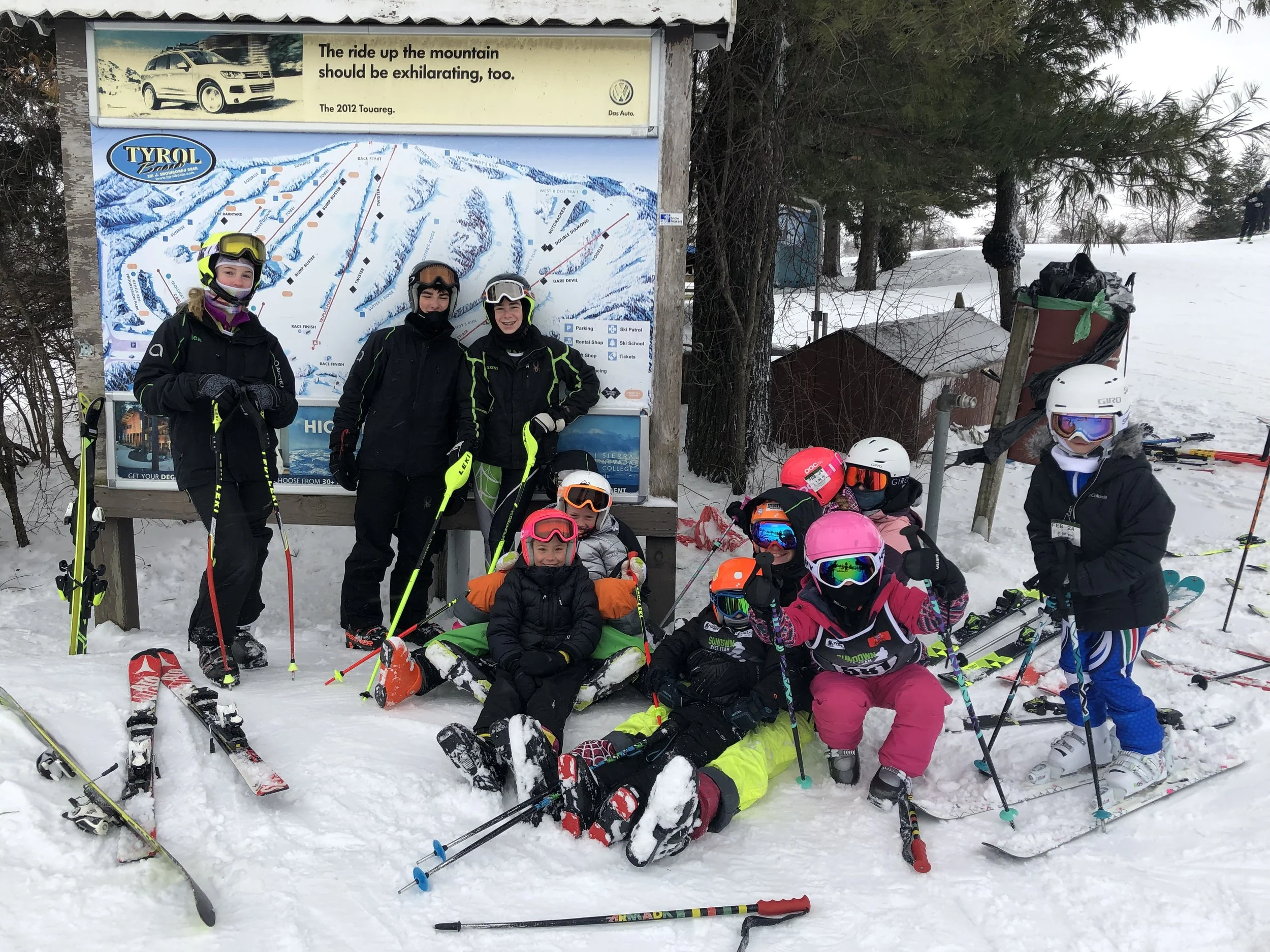
Sharing the love of mountains. Teaching and coaching kids to ski and compete has been one of the greatest joys of my life. (Author & Founder of SUI WASSER, Mya Schaefer)
It should be to help us understand the environments we love and make informed decisions about protecting ourselves while experiencing them. Because winter doesn’t present our skin with one challenge at a time.
Up in the mountains cold, wind, dry air, and sunlight create a demanding combination of environmental conditions. Our skin responds through an equally complex collection of protective and biological processes.
The more we understand those processes, the better prepared we are to care for the skin that allows us to experience everything winter has to offer.
SUI WASSER
Built for a Lifetime Outdoors.
Protect Before Exposure. Care Afterward. Support Long-Term.
|
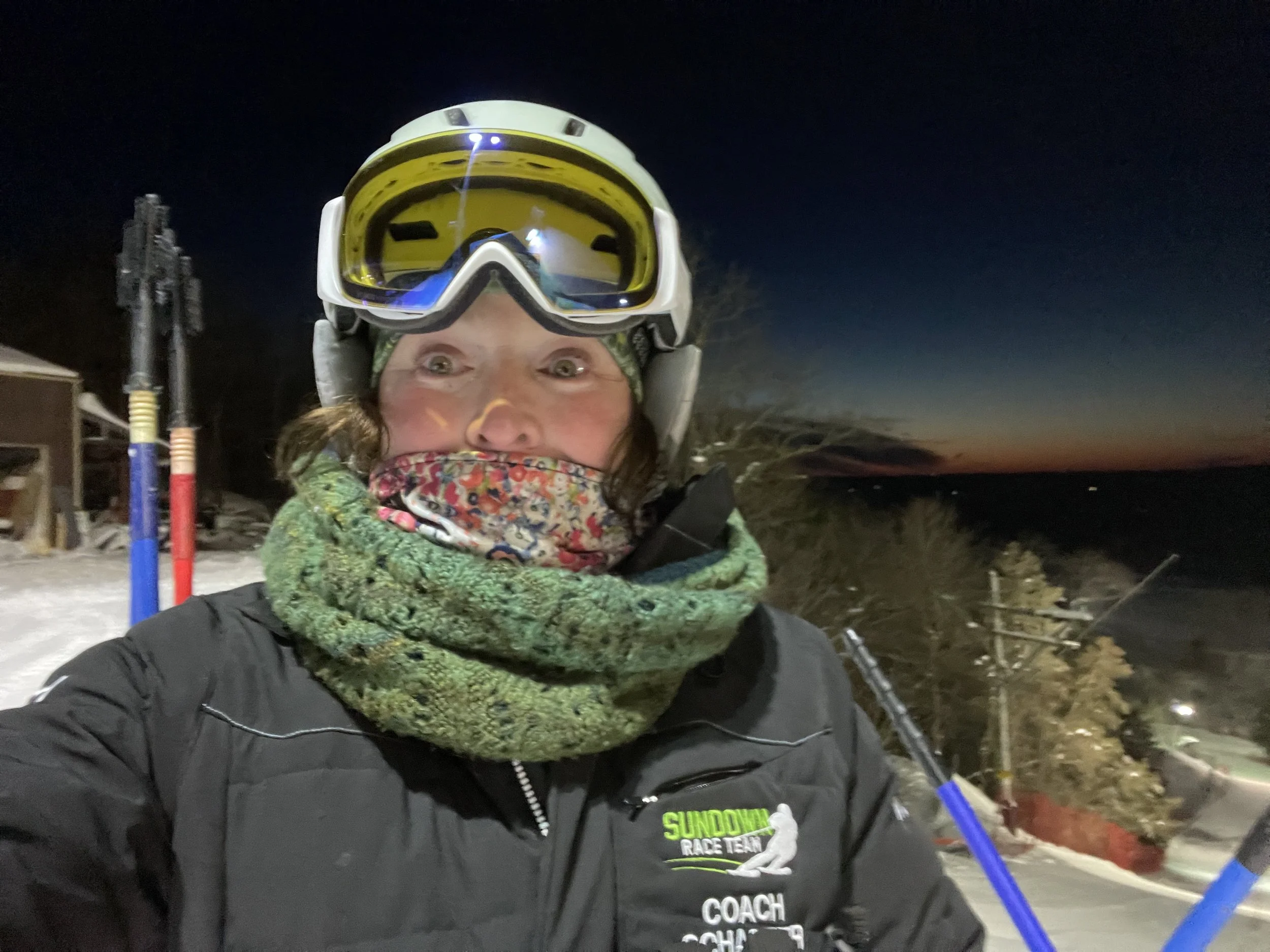
ABOUT THE FOUNDERFounder Mya Schaefer came to skincare through a lifetime spent outdoors. A former competitive ski racer, U.S. Ski Team D Team member, NCAA All-American, ski-area manager and longtime alpine coach, Schaefer has spent decades training, competing, working and coaching in environments where UV exposure, wind, cold and dry air are simply part of the day. Mya founded SUI WASSER after losing several friends and family members to skin cancer. Those losses made long-term skin health and skin protection deeply personal and gave her a reason to turn a lifetime of outdoor experience into something useful for others. Her goal is to make daily skin care a natural part of preparing for—and returning from—time outside, so more people can keep doing what they love with greater care for their skin. |
Thank you for reading our series. To learn more about SUI WASSER’s products visit: SUI WASSER | Products
FURTHER READING
& SCIENTIFIC REFERENCES
Cold. Wind. Dry air. Sunlight. A closer look at the science—and the habits that help us care for skin through winter.
Explore the research behind this field guide alongside related SUI WASSER articles. The references below cover winter conditions, skin-barrier function, ultraviolet exposure, post-exposure biology, and daily care.
Each entry identifies the type of source and explains its relevance. Scientific studies, clinical guidance, and SUI WASSER commentary serve different purposes; none of these links represents clinical testing of our finished balms.
01 / WINTER CONDITIONS & THE SKIN BARRIER
Start with the biology behind cold-weather dryness, moisture loss, and the skin’s protective structure.
The Effect of Environmental Humidity and Temperature on Skin Barrier Function and Dermatitis
Reviews how low humidity, low temperatures, and seasonal conditions affect barrier function and susceptibility to irritation.
Provides the scientific foundation for treating winter as a combination of environmental challenges, rather than cold alone.
The Skin Barrier and Moisturization: Function, Disruption, and Mechanisms of Repair
Explains the skin barrier’s interconnected functions, how they can become disrupted, and the role of moisturization in supporting repair.
Connects the article’s discussion of the stratum corneum to the purpose of consistent daily barrier care.
The Role of Moisturizers in Addressing Various Kinds of Dermatitis: A Review
Discusses moisturizer mechanisms, formulation choices, and clinical use in skin affected by dryness and barrier disruption.
Helps explain the complementary roles of humectants, emollients, and occlusives. Findings about dermatitis treatments do not establish that a cosmetic balm treats dermatitis.
02 / WINTER UV EXPOSURE & PRACTICAL PROTECTION
Cold weather does not eliminate UV exposure. Elevation, snow reflection, and protection habits deserve their own attention.
Ultraviolet Radiation
Explains how altitude, cloud cover, and reflective surfaces influence UV exposure, alongside its health effects and recommended protective measures.
Supports the article’s distinction between moisture-barrier care and UV protection. Balms do not provide a substitute for tested sunscreen, clothing, or physical coverage.
Pro Tip: Should You Apply a Balm Before Sunscreen on Long Days Outdoors During the Winter?
The Pro Tip referenced in this field guide explores layering a thin balm or moisturizer beneath sunscreen rather than mixing the products together.
Read alongside your sunscreen’s directions. This is a practical layering discussion, not an SPF test of a particular balm-and-sunscreen combination.
03 / WHAT CAN CONTINUE AFTER EXPOSURE?
These papers distinguish demonstrated post-UV mechanisms from the still-evolving evidence for topical interventions.
Chemiexcitation of Melanin Derivatives Induces DNA Photoproducts Long After UV Exposure
Demonstrated continued formation of cyclobutane pyrimidine dimers, or “dark CPDs,” for more than three hours after UVA exposure in melanocytes. Reactive oxygen and nitrogen species and melanin-derived chemistry were involved.
Establishes that some DNA damage can form after exposure ends. It does not establish a universal 12-hour window or show that immediate or hourly application of a commercial balm prevents this process.
Biological Photoprotection: A Review of Its Mechanisms, Evidence, and Clinical Implications
Examines nonfiltering ingredients that target oxidative stress, DNA repair, inflammation, and other biological responses, as complements to conventional UV filters.
A central reference for the biological-photoprotection discussion. The authors emphasize limited clinical evidence, small studies, and the need for real-world validation; this is not a clinical trial of SUI WASSER products.
PINGing Sunshine: A Review of the Evidence for Adding Non-Filtering Photoprotective Ingredients to Sunscreens
Reviews the evidence and formulation considerations for nonfiltering photoprotective ingredients incorporated into sunscreens.
Provides further context for Brown’s research. Evidence concerning particular sunscreen formulations cannot automatically be transferred to a waterless balm used after exposure.
What Happens After UV Exposure? The Emerging Science of Biological Photoprotection
Our companion discussion of Brown and colleagues’ 2026 review and its relevance to the questions guiding SUI WASSER’s development work.
A reader-friendly bridge between the scientific review and our interest in care before, during, and after outdoor exposure.
What Does “Post-Exposure Recovery” Actually Mean for Your Skin?
Explores the distinction between replenishing moisture, supporting the barrier, and the less visible biological consequences of repeated outdoor exposure.
Expands the REPLENISH discussion and explains why comfort and hydration should be distinguished from claims of reversing UV damage.
04 / DAILY CARE, BAKUCHIOL & SKIN LONGEVITY
Continue the RECOVER discussion with practical moisturizing guidance, ingredient research, and the thinking behind ALPIN-GLOW.
Dermatologists’ Top Tips for Relieving Dry Skin
Recommends gentle washing, warm rather than hot water, and applying moisturizer while skin is still damp. It also discusses creams and ointments for dry skin.
Turns barrier biology into practical habits that can be repeated throughout the winter.
Prospective, Randomized, Double-Blind Assessment of Topical Bakuchiol and Retinol for Facial Photoageing
In a 12-week study of 44 participants, 0.5% bakuchiol cream used twice daily and 0.5% retinol cream used daily improved wrinkle surface area and hyperpigmentation. Retinol users reported more scaling and stinging.
Supports interest in bakuchiol for visible photoaging. Different application schedules and specific tested creams limit broader comparisons; the study did not test ALPIN-GLOW or demonstrate that all bakuchiol products are equivalent to retinol.
What Is Bakuchiol—and Why Are We Putting It in Alpin-Glow?
Looks at the bakuchiol-versus-retinol research and why this chemically distinct, plant-derived ingredient became part of ALPIN-GLOW.
Adds context to the RECOVER section’s discussion of visible skin aging and consistent use.
Alpin-Glow: A Concentrated Bakuchiol Balm for Daily Use
Introduces the combination of bakuchiol, emollients, botanical oils, and antioxidant ingredients behind ALPIN-GLOW.
Explains the product’s intended place in daily conditioning and moisture-retention care. Ingredient research and product design are distinct from demonstrated clinical outcomes.
A “Nutrition Bath” for Aging Skin
Explores how aging skin can feel different after outdoor exposure and discusses moisture, lipids, and ongoing care.
Extends the field guide from one winter day to the habits and needs associated with a lifetime outdoors.
The Difference Is in the Formulation
Explains why oils, waxes, emollients, concentration, and ingredient interactions affect a balm’s feel and performance.
Builds on the field guide’s central formulation principle: a recognizable ingredient alone does not tell us how the finished product will perform.
