Why Ingredient Diversity Matters for Skin Longevity
Healthy skincare isn’t built around a single miracle ingredient. That ship has failed us. As our skin ages, its needs become more complex. Skin Longevity starts with understanding those changing needs—and bringing together the right ingredients to support them.
This week, four new plant oils are joining the SUI WASSER formulation toolbox:
Oat Oil — Rich in skin-supporting lipids, including linoleic acid, along with phytosterols and antioxidant compounds. We’re especially interested in its ability to help replenish and condition dry, stressed skin and support the skin barrier after exposure.
Rosehip Oil — Naturally rich in essential fatty acids and carotenoids. Rosehip is particularly interesting to us for formulas focused on Skin Longevity, replenishment, and the appearance of healthy, resilient skin.
Pomegranate Seed Oil — A fascinating oil containing high levels of punicic acid, an unusual omega-5 fatty acid. We’re exploring it for its antioxidant, conditioning, and skin-supportive properties.
Pumpkin Seed Oil — Naturally rich in essential fatty acids, particularly linoleic and oleic acids, along with vitamin E compounds, phytosterols, and carotenoids. We’re especially interested in its nourishing and antioxidant properties and its potential to help condition dry, stressed skin while supporting a healthy skin barrier.
But the interesting part isn’t any one of these oils.
It’s what happens when we begin putting different ingredients together with a purpose.
Skin Is Complicated
Our skin is extraordinarily complex. It relies on a sophisticated combination of lipids, antioxidants, proteins, enzymes, and biological processes to maintain its protective barrier, manage environmental stress, retain moisture, and support natural recovery.
And those needs change as we age.
Research has demonstrated that aging skin undergoes changes in barrier lipid composition, antioxidant defenses, cellular function, and its ability to recover following environmental stress.
Now add something else to that equation: a lifetime outdoors.
Sunlight, wind, cold, heat, dry air, altitude, sweat, saltwater, chlorine, and other environmental exposures don’t occur once. For someone who spends decades outdoors, those exposures happen again and again.
That’s central to how we think about Skin Longevity.
We’re not simply asking what skin needs today. We’re asking how we can support skin that has accumulated 10, 20, 30, or 50 years of outdoor life—and intends to keep going.
Why Ingredient Diversity Matters
Different ingredients bring different chemistry to a formulation.
Botanical oils can provide different combinations of linoleic, oleic, punicic, and other fatty acids. They can contribute phytosterols, carotenoids, tocopherols, and numerous other naturally occurring compounds.
Then there are ingredients such as squalane, vitamin E, vitamin C derivatives, CoQ10, bisabolol, and other compounds that can be selected for very different roles within a formulation.
Some ingredients help replenish and condition the skin’s lipid environment. Some help reduce moisture loss. Some provide antioxidant activity. Others are selected to soothe, support the barrier, improve the feel of the formulation, or complement another ingredient already doing a different job.
No single ingredient does everything. And that’s precisely the point.
The objective isn’t to create the longest ingredient list.
It’s to create a diverse ingredient system in which each component earns its place.
There’s Science Behind the Idea
The concept of combining complementary ingredients isn’t merely a formulation philosophy.
There are examples in dermatological research where combinations of ingredients have produced effects that individual ingredients did not achieve to the same degree.
A 2003 study published in the Journal of the American Academy of Dermatology, for example, investigated topical vitamins C and E. Researchers found that the combination provided greater protection against experimentally induced UV damage than either antioxidant used individually.
Research published in the Journal of Investigative Dermatology in 2005 took the concept further. Researchers added ferulic acid to a formulation containing vitamins C and E and found that it improved the stability of the antioxidants and increased the formulation’s measured photoprotective effect in their experimental model.
That doesn’t mean every combination of ingredients is synergistic.
And it certainly doesn’t mean that a product becomes better simply because its ingredient list becomes longer.
Quality matters. Concentration matters. Stability matters. Compatibility matters. And formulation matters.
But these studies illustrate an important principle: ingredients don’t necessarily have to work alone.
Carefully selected compounds can complement one another, address different biological needs, and sometimes produce benefits that wouldn’t be achieved by focusing exclusively on a single “hero” ingredient.
Building From the Ground Up
That’s how we approach formulation at SUI WASSER.
We’re not interested in adding Oat Oil, Rosehip Oil, Pomegranate Seed Oil, or Pumpkin Seed Oil because they make an ingredient label sound impressive.
Each will be tested, evaluated, and incorporated only where we believe it adds something meaningful to the job that particular formula was built to do.
The same applies to the ingredients already on our shelves.
Every ingredient should have a reason for being there.
As skin ages, its needs become increasingly complex. For people who spend their lives outdoors, environmental exposure adds another layer to that complexity.
We don’t believe the answer is finding one miracle ingredient.
We believe it’s understanding the problem well enough to bring together the right ingredients, in the right formulation, for the right purpose.
Because skincare designed for a lifetime outdoors should be just as sophisticated as the skin it’s designed to support.
Built from the ground up for people who live life outdoors.
A Personal Connection
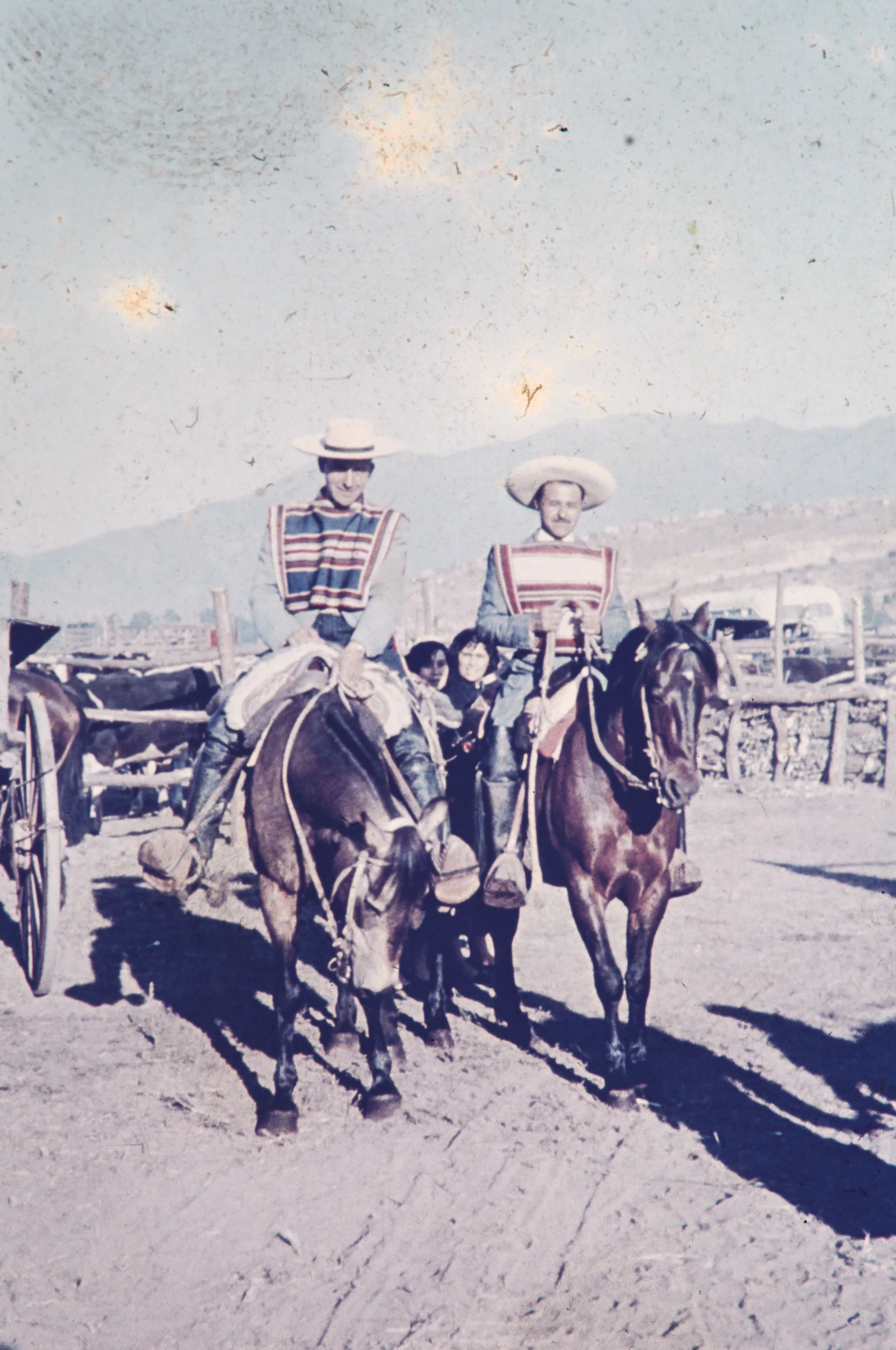
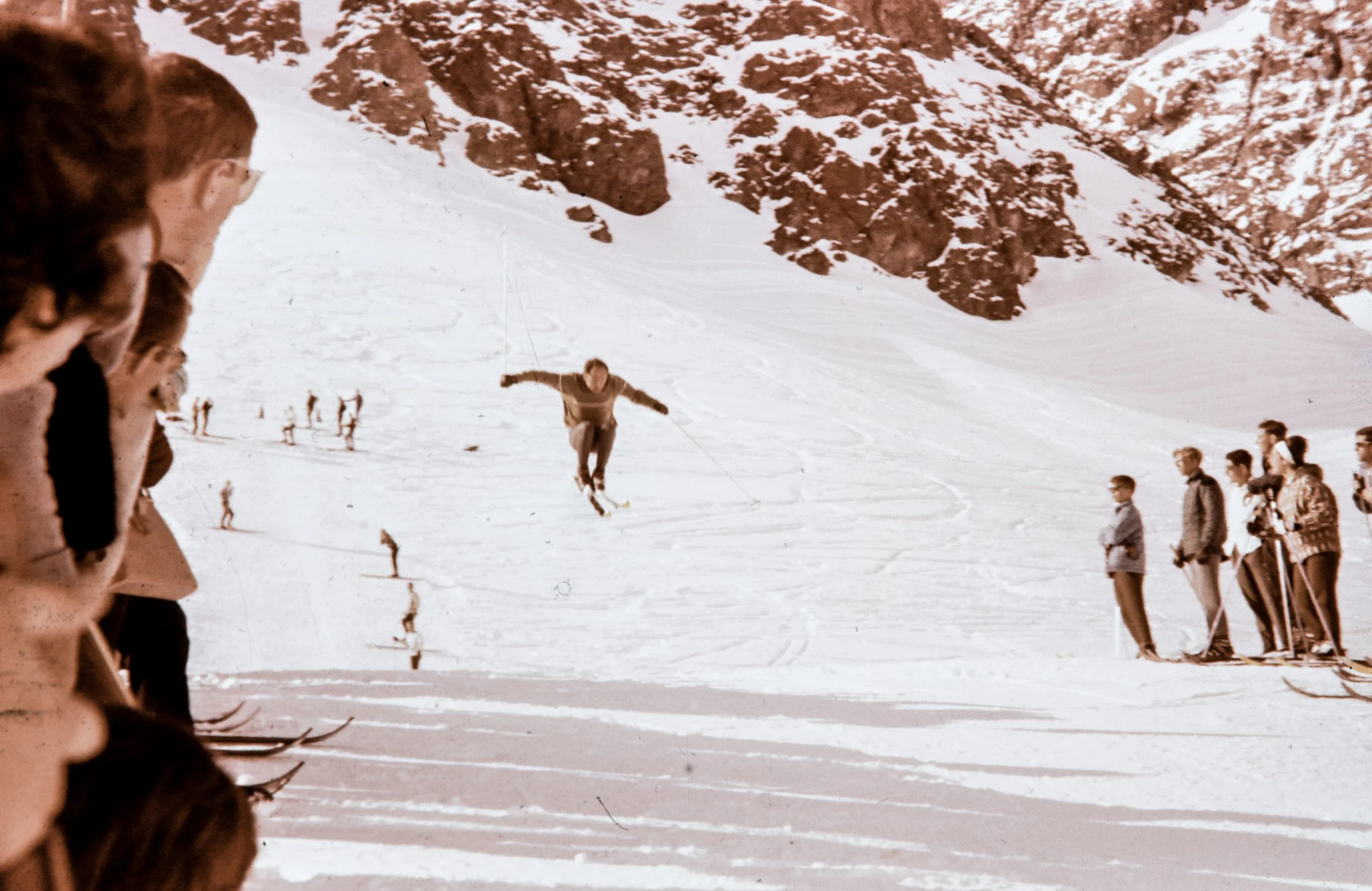
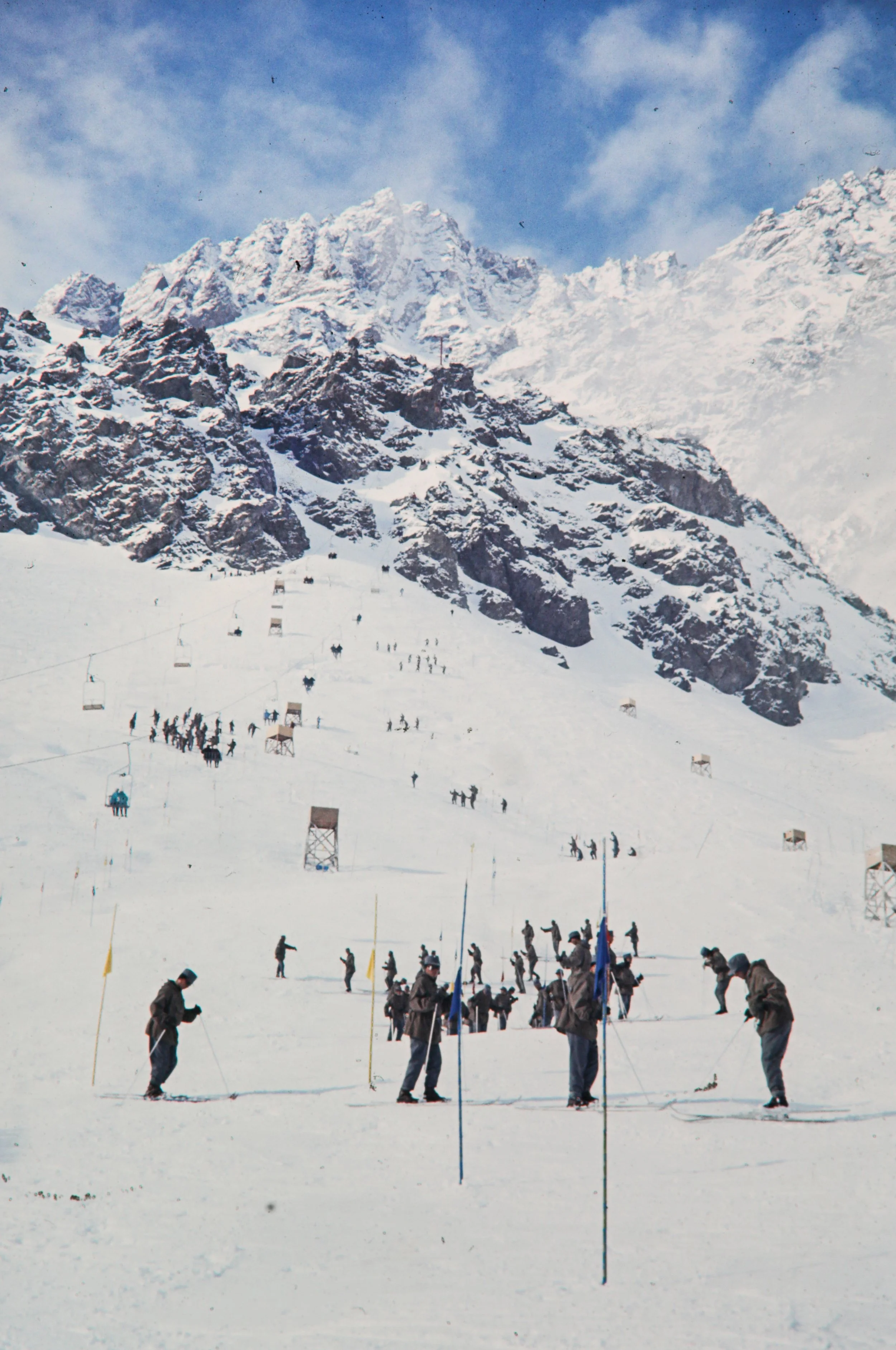
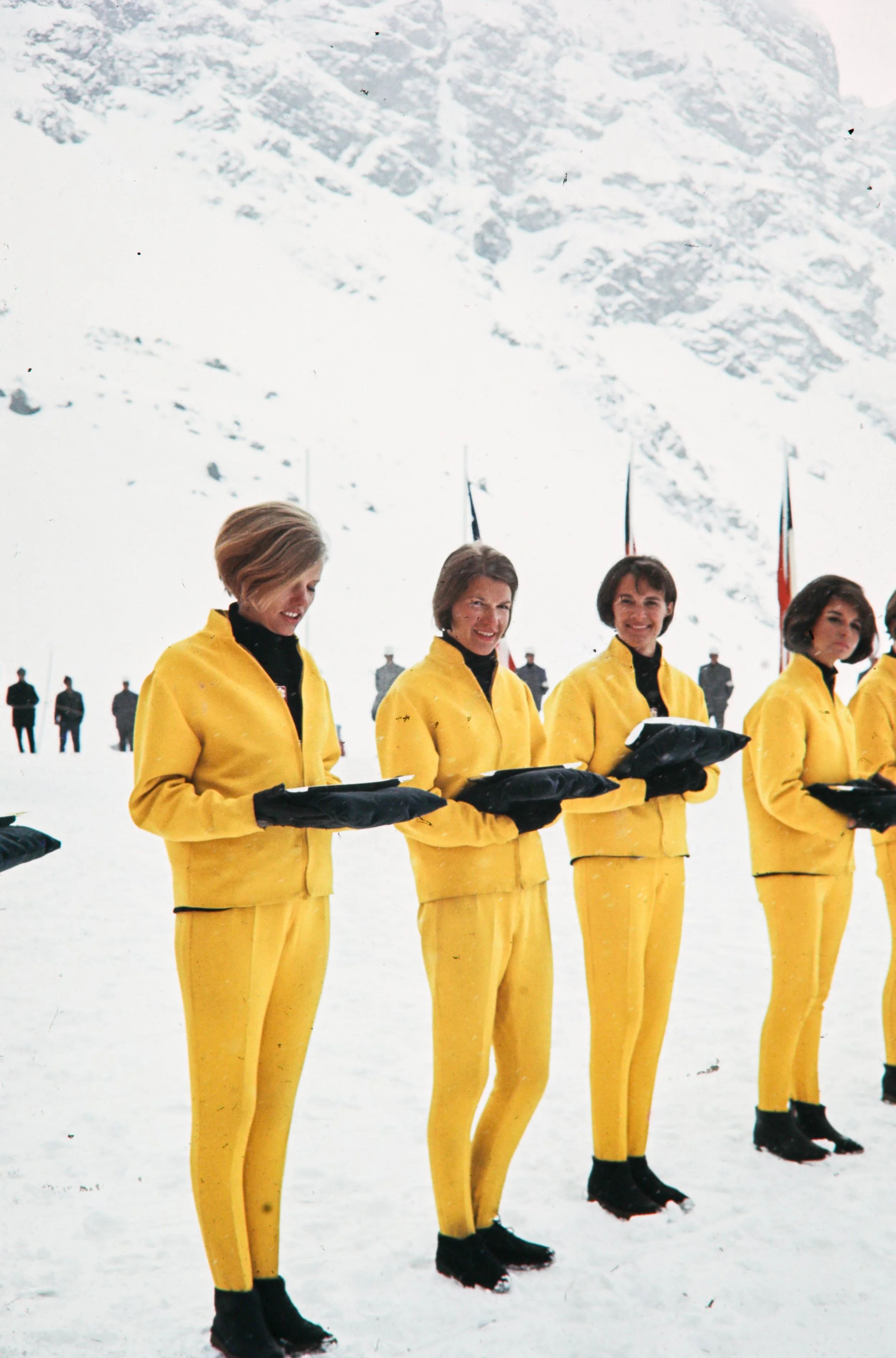
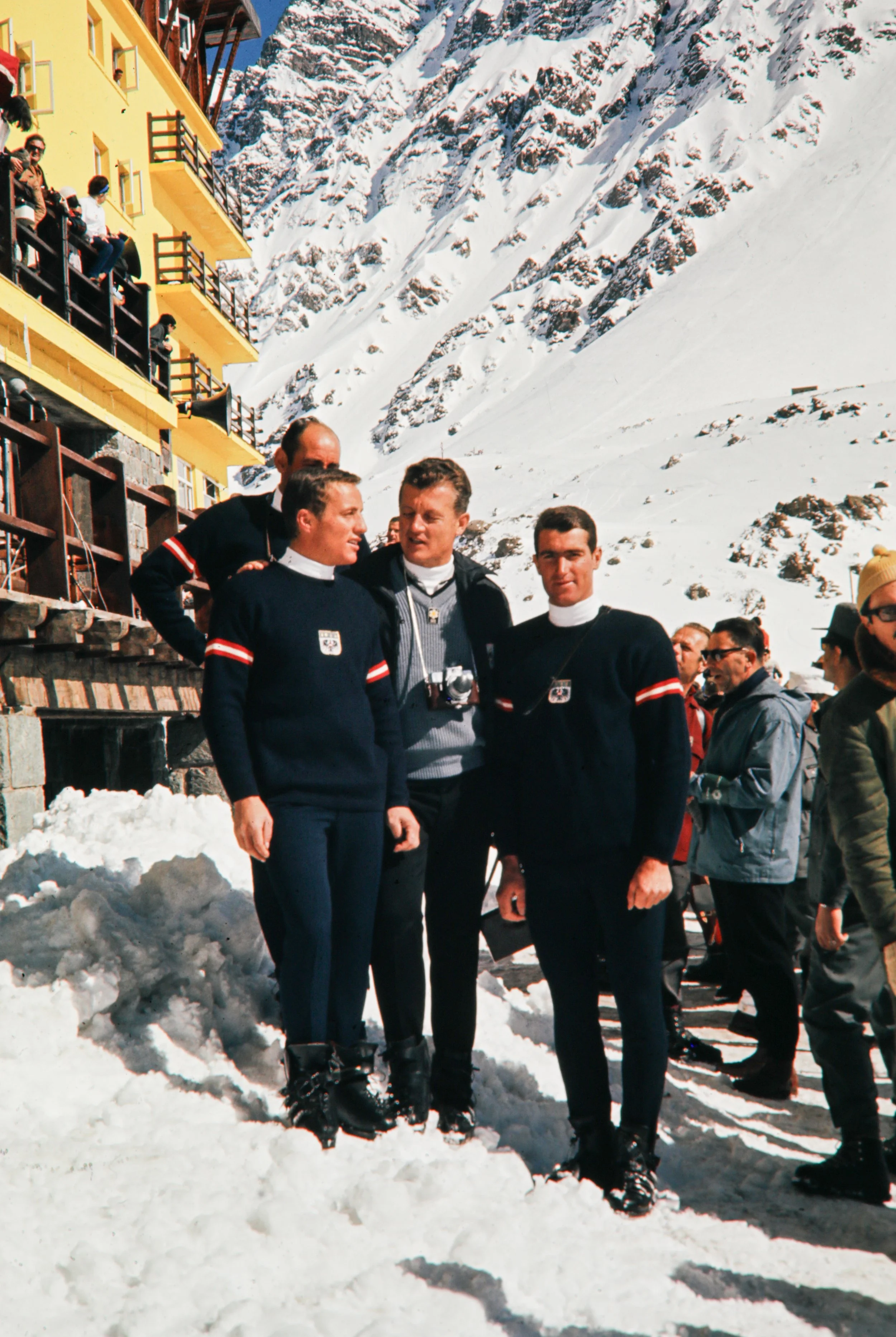
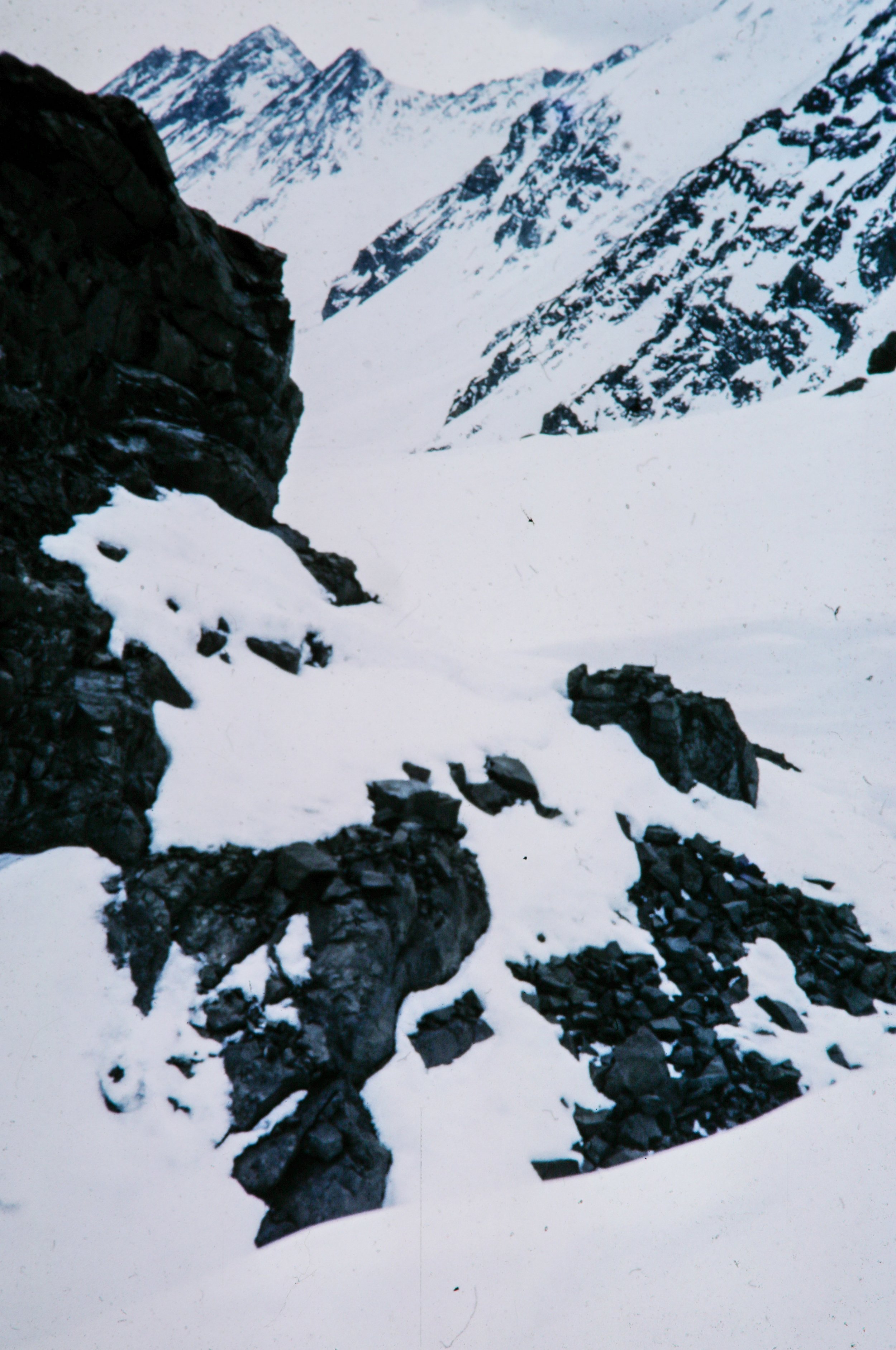
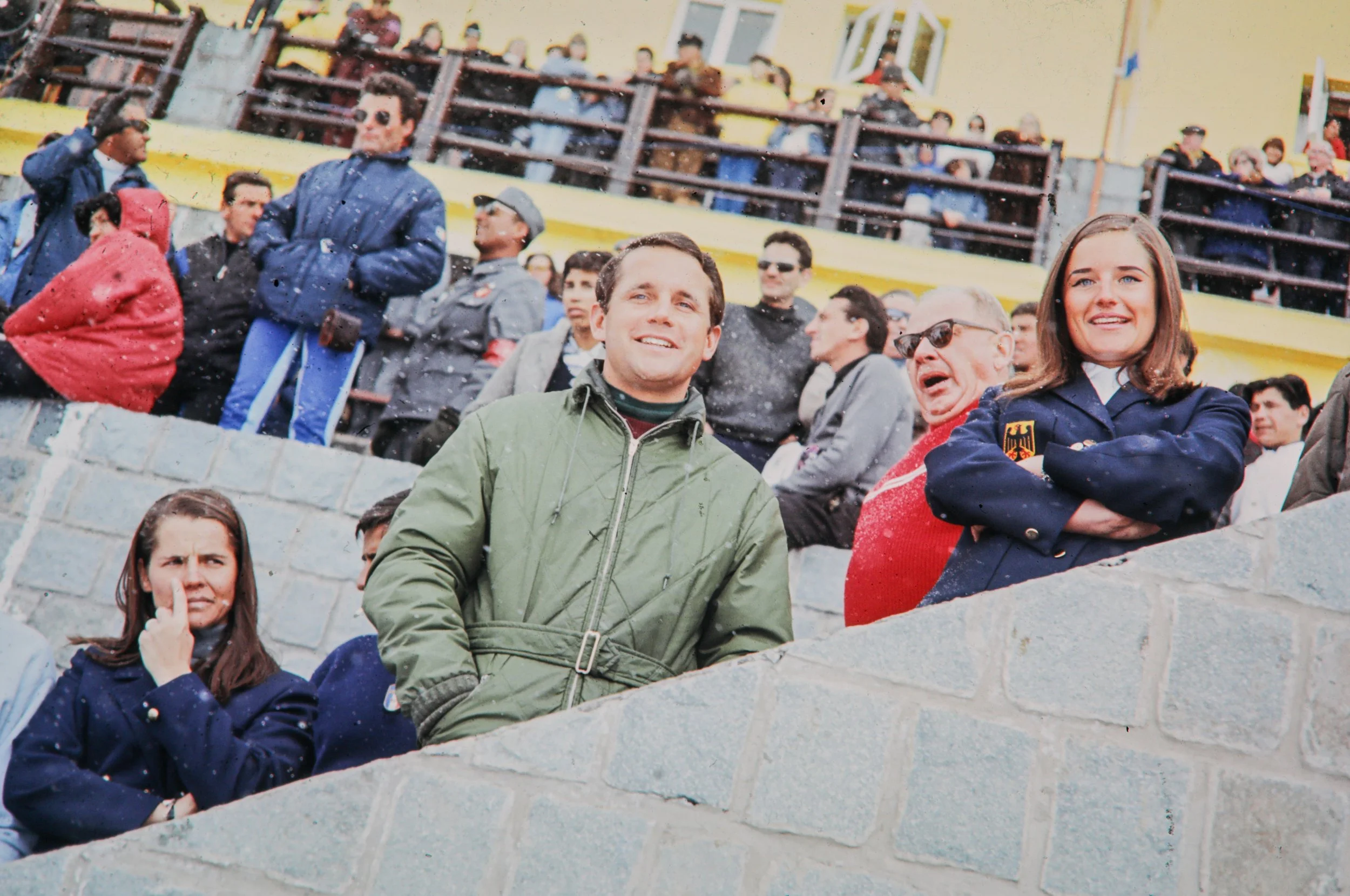
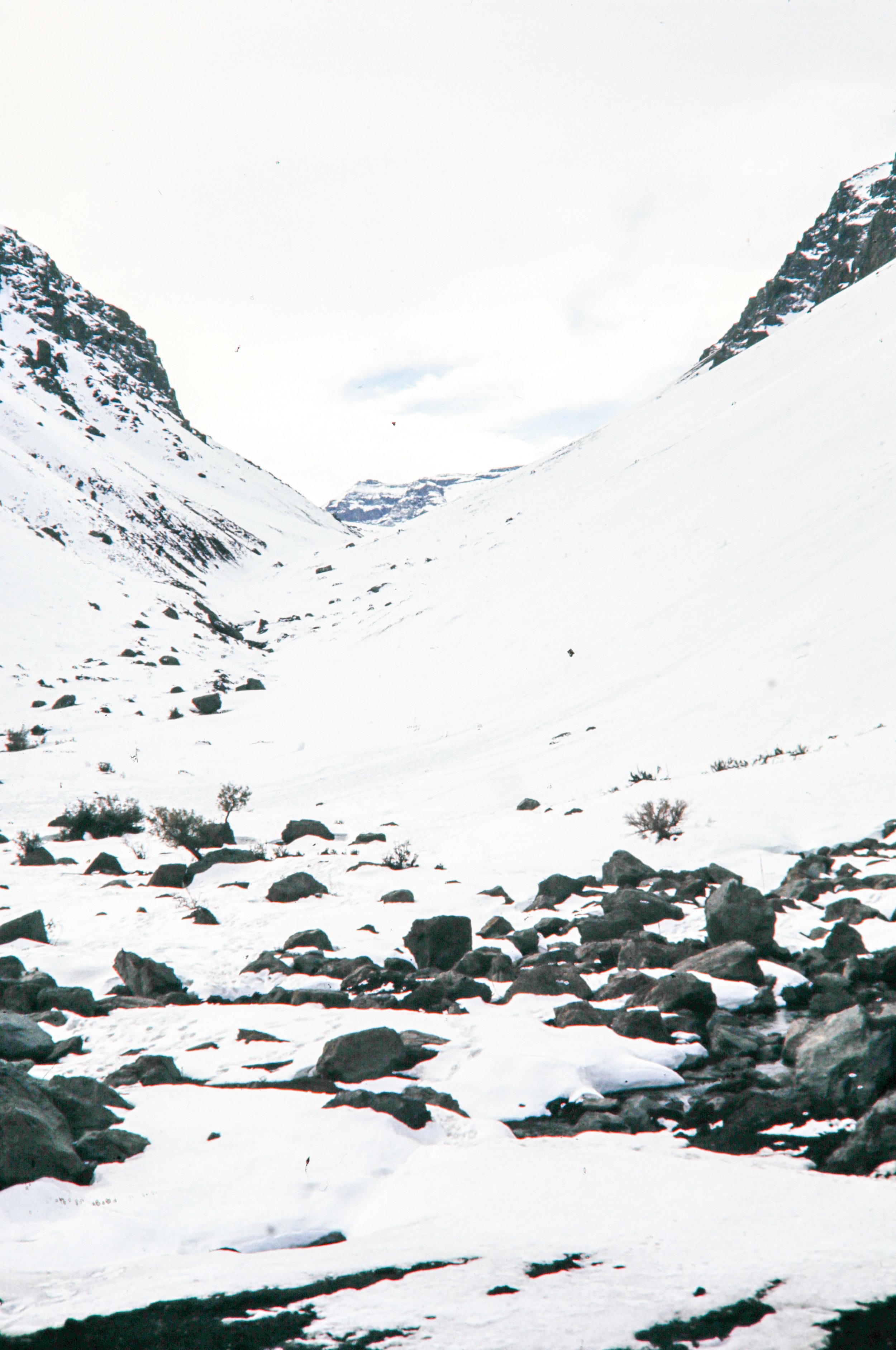
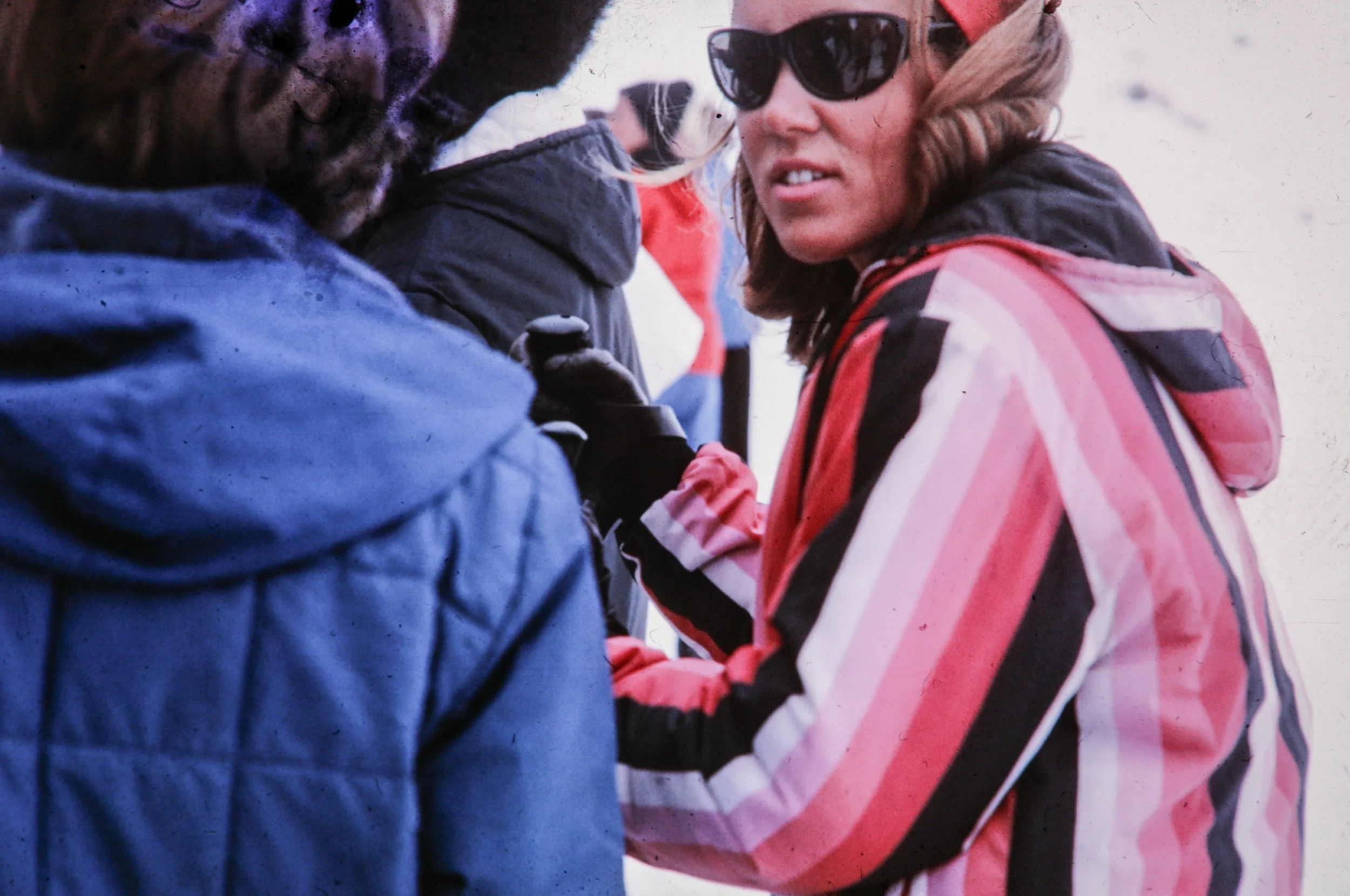
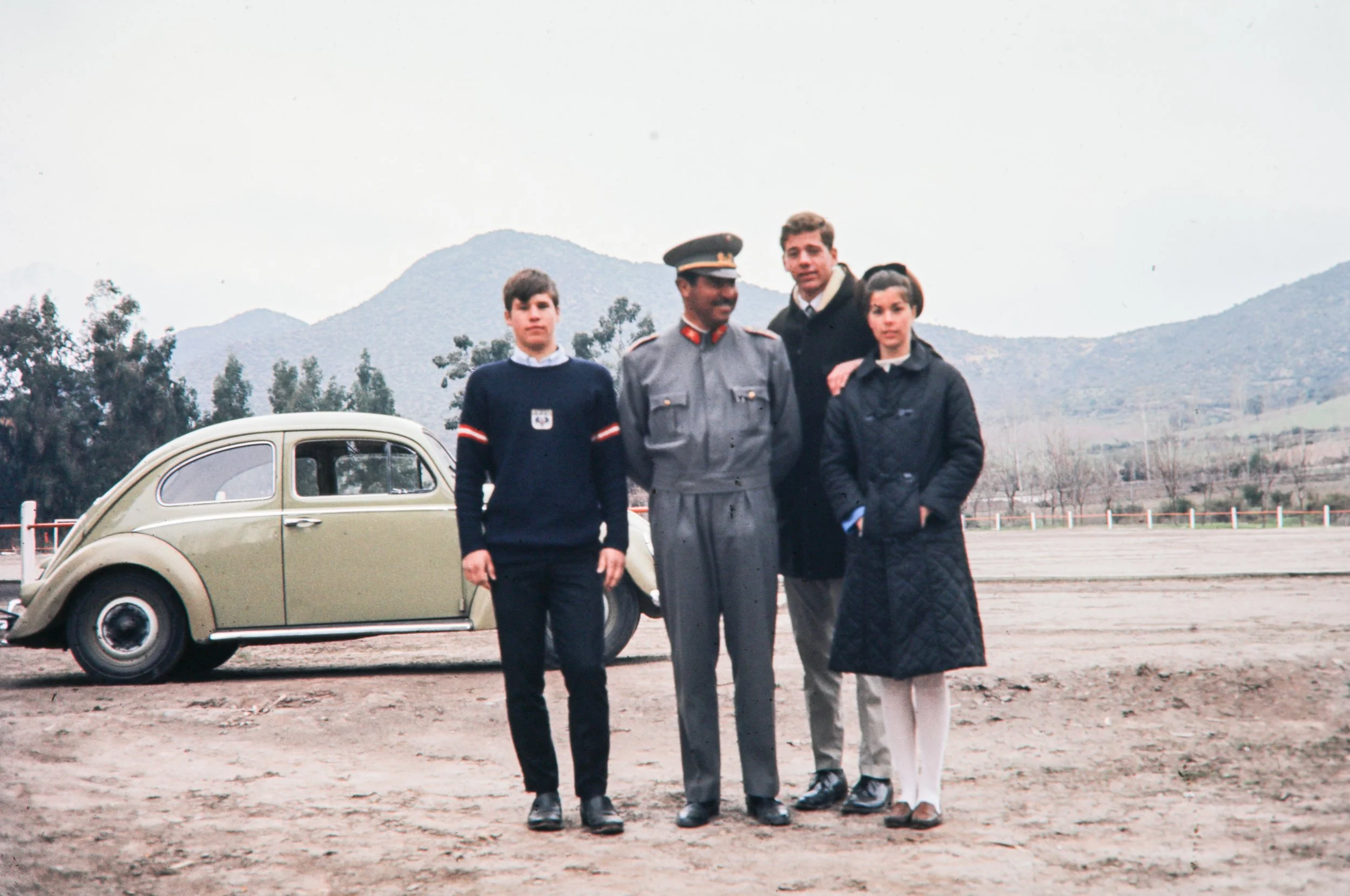
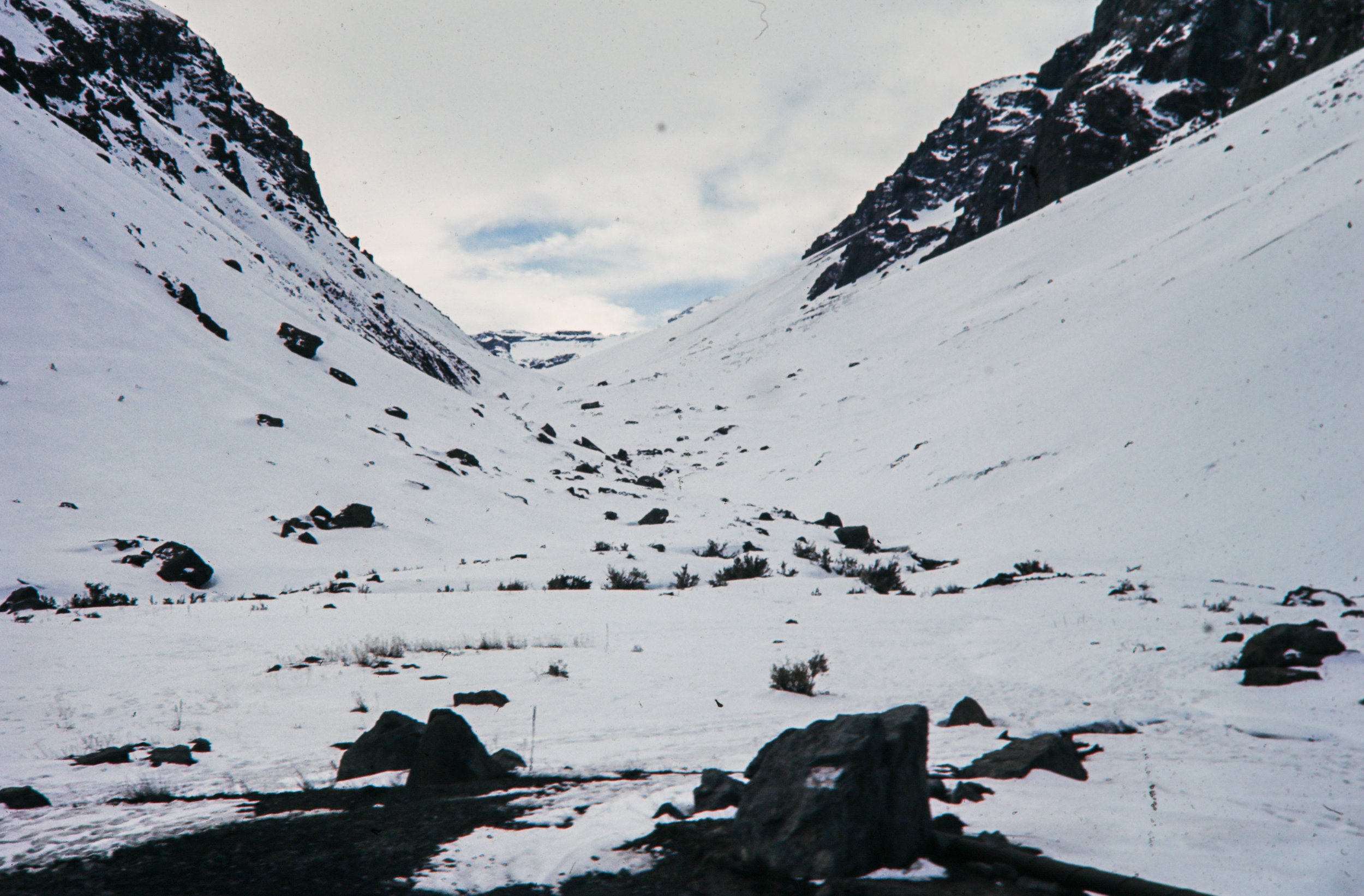
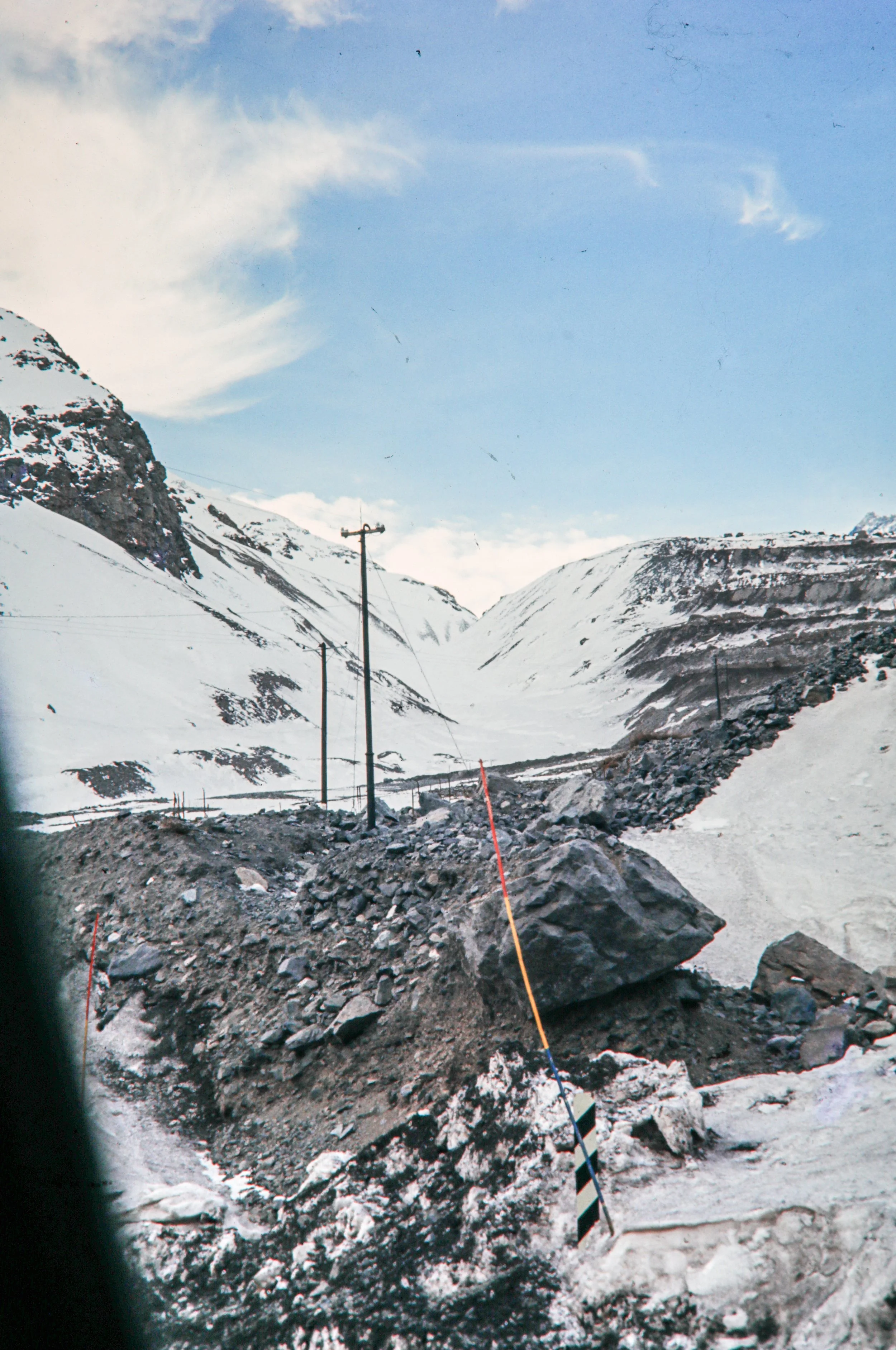
The photographs accompanying this article come from my dad’s personal collection and were taken at the 1966 World Championships in Portillo, Chile.
Outdoor sports have been part of my family for generations.
We’ve also had the opportunity to see something that isn’t always obvious when you’re young: what decades of sun, wind, cold, altitude, and environmental exposure can eventually mean for your skin.
That’s one of the reasons Skin Longevity has become so important to me.
The objective isn’t to spend less time outside.
It’s to keep living life outdoors—and take better care of the skin that comes along for the ride.



Further Reading
Elias PM, Ghadially R. (2002). The aged epidermal permeability barrier: basis for functional abnormalities. Clinics in Geriatric Medicine, 18(1), 103–120.
An examination of age-related changes in epidermal barrier function and lipid metabolism.
Feingold KR. (2007). The role of epidermal lipids in cutaneous permeability barrier homeostasis. Journal of Lipid Research, 48(12), 2531–2546.
A detailed review of the roles played by fatty acids, cholesterol, ceramides, and lipid metabolism in maintaining the epidermal permeability barrier.
Lin JY, et al. (2003). UV photoprotection by combination topical antioxidants vitamin C and vitamin E. Journal of the American Academy of Dermatology, 48(6), 866–874.
Research examining the effects of topical vitamins C and E individually and in combination against experimentally induced UV damage.
Lin FH, et al. (2005). Ferulic acid stabilizes a solution of vitamins C and E and doubles its photoprotection of skin. Journal of Investigative Dermatology, 125(4), 826–832.
Research demonstrating how another antioxidant compound can influence the stability and performance of a combined antioxidant formulation.
Burke KE. (2019). Protection From Environmental Skin Damage With Topical Antioxidants. Clinical Pharmacology & Therapeutics, 105(1), 36–38.
A concise review of environmental oxidative stress, the skin's antioxidant defenses, and the potential role of topical antioxidants.
