
Cold Weather Face Balm for Hard-Working Skin
A chairlift ride can turn comfortable skin tight before the first run. The same goes for a dawn shift, a long trail above tree line, or a windy day on the water. A cold weather face balm is built for that moment when your face feels exposed, rough, and less able to hold onto moisture—not because you skipped your routine, but because the conditions outworked it.
Cold air is only part of the problem. Winter exposure often combines low humidity, wind, UV reflection from snow, temperature swings, sweat, and repeated friction from collars, buffs, goggles, or gloves. For skin, that can mean hours of continuous environmental stress.
That is why we developed Extreme Shield differently from our recovery-focused balms. Extreme Shield is designed to go on before exposure, creating a durable layer of oils, butters, and waxes that helps reduce moisture loss and gives exposed skin an additional physical barrier against wind, cold, dry air, and friction. Link: Extreme Shield Face Balm
Sunscreen remains essential—like a helmet for your skin. Extreme Shield is not sunscreen and does not replace it. On days when both are needed, apply a thin layer of Extreme Shield, allow it to settle, and then apply sunscreen according to its directions.
Why Cold Weather Is So Hard on Your Face
Your skin barrier is a working defense system. Its outer layer helps keep water in while reducing the impact of irritants and environmental exposure. When wind, dry air, friction, and UV stress pile up, that barrier can lose water faster than it can replenish it. The result is familiar to anyone who has spent a day skiing, cycling, farming, or working outside in January: tightness, flaking, redness, stinging, itchiness, and a complexion that suddenly looks more worn than it did that morning.
Wind accelerates moisture loss at the surface. Dry indoor heat can continue the problem after you come inside. Snow and water reflect UV, which means a cold, overcast day can still add meaningful sun stress. Meanwhile, sweat and frequent cleansing can leave skin feeling stripped. This is why a lightweight lotion that feels fine at your desk may not be enough after six hours outside.
The goal is not to coat your face in something heavy for the sake of it. The goal is to restore comfort and support the barrier with a formula that stays where it is needed.
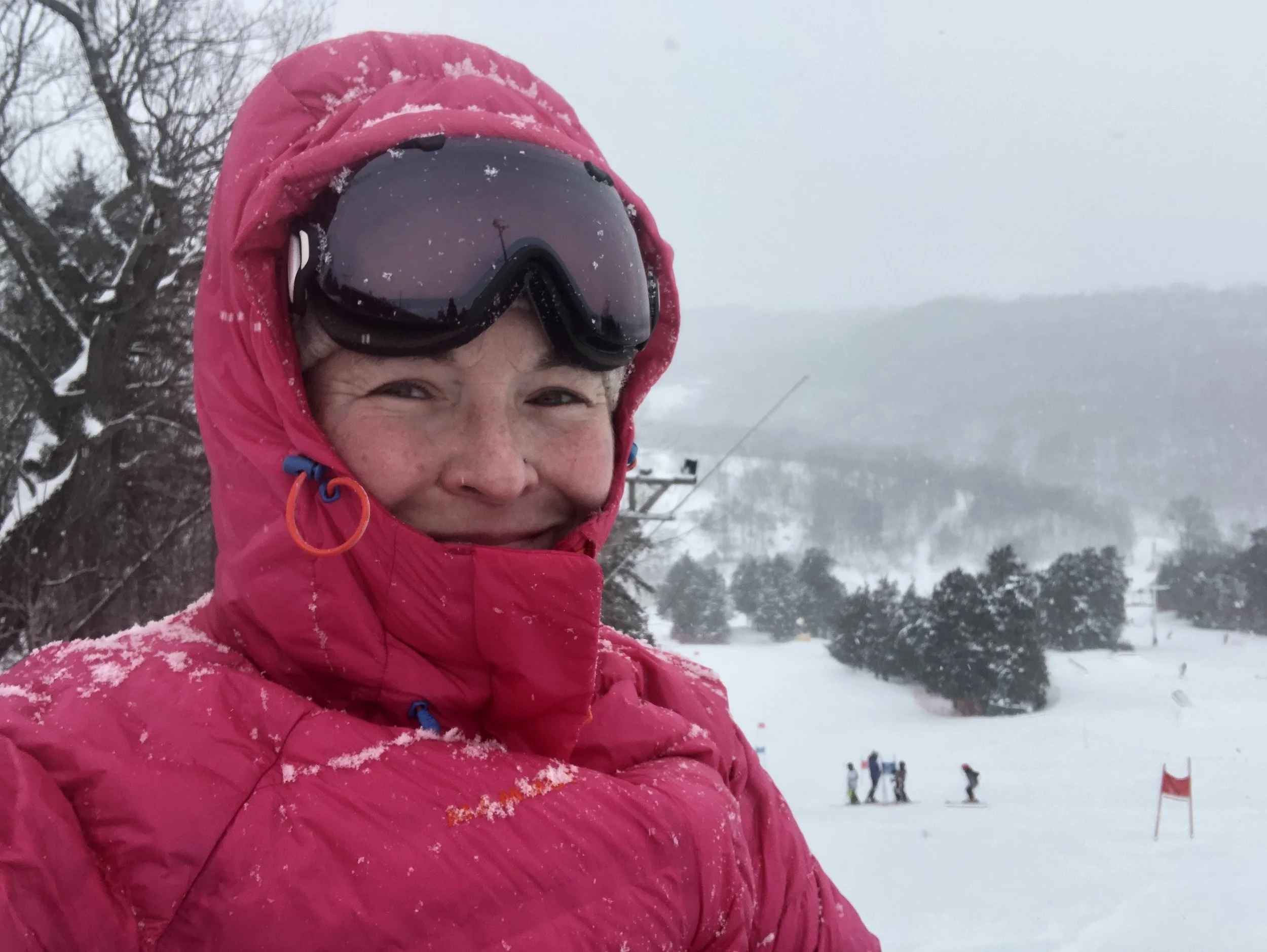
Founder, Mya Schaefer, has spent a life time coaching alpine ski racing. I always like to take a selfie or two on the coldest days of the year to remind myself just how challenging conditions can get mid-winter. The temps this day were -10F. I designed Extreme Shield to protect exposed skin durring such conditions.
What a Cold Weather Face Balm Actually Does
A well-made balm supports skin through two practical actions. First, emollient ingredients soften the rough, uneven feel that comes with dryness. Second, protective oils and waxes create a breathable layer that slows transepidermal water loss - the gradual escape of water from the skin into dry air.
That layer is especially useful after exposure. Think of it as putting a wind shell over a warm midlayer. It does not replace the moisture and nourishment skin needs underneath, but it helps keep them from disappearing before your skin can recover.
The best formulas also bring antioxidant and anti-inflammatory support to the routine. Environmental exposure can generate oxidative stress, particularly after sun and wind. Antioxidant-rich botanical oils and extracts can help support skin’s recovery process, while soothing ingredients make the post-exposure window more comfortable.
There is a trade-off. A balm is generally richer than a gel or standard moisturizer, so the wrong formula may feel too occlusive for someone who is highly acne-prone or who prefers very light skincare. Amount and timing matter. Many outdoor athletes do best using a small amount after washing their face, then adjusting upward on brutally dry or windy days.
When to Use Face Balm in Cold Weather
Before exposure: Extreme Shield is designed for the hours ahead. Apply a small amount to clean skin, concentrating on the cheeks, nose, forehead, around the mouth, and other areas exposed to wind and cold. Warm the balm between your fingertips and spread it into a thin, even layer. Give it time to settle before applying sunscreen.
During exposure: On exceptionally long, windy, cold, or dry days, additional balm can be useful on areas where the protective layer has been removed by wiping, rubbing, sweat, or equipment.
After exposure: This is where recovery-focused skincare takes over. Gently remove sunscreen, salt, sweat, and grime without over-cleansing. Pat rather than rub the skin dry, then apply a recovery balm while the skin retains some moisture.
This protect → expose → recover approach is more useful than expecting one product to do everything. Extreme Shield addresses the environmental exposure side of the equation; our recovery formulations are designed around what skin needs when the day outdoors is over.
Build a Recovery Routine, Not a Bigger Product Pile
Outdoor skincare does not need to become complicated. It needs to match the exposure. On an easy day, cleanse as needed, moisturize, and use sunscreen when UV is present. On a hard day, add recovery deliberately.
Start by rinsing away the day without over-cleansing. Hot water and harsh foaming cleansers can make post-exposure tightness worse, so use lukewarm water and a gentle cleanser when possible. Follow with your cold weather face balm while skin is still a little damp. At night, use enough to leave skin comfortable, not slick.
If you are managing visible redness or a hot, wind-burned feeling, prioritize a quiet routine. Skip strong exfoliants, scrubs, and new active treatments until your skin feels stable again. More treatment is not always more recovery. Sometimes the disciplined move is to reduce friction, replenish moisture, and give the barrier a chance to reset.
For winter athletes and outdoor workers, keep the balm where recovery happens: in the gear bag, truck, jacket pocket, or bathroom cabinet. A product only helps if it is there after the shift, ride, or descent.
Ingredients and Texture: What to Look For
A face balm should feel intentional, not merely greasy. Look for a concentrated base of skin-compatible oils, butters, and waxes that provides staying power in cold, dry conditions. Plant-based ingredients with fatty acids can help soften dry patches, while protective waxes help reduce moisture loss. Antioxidant-rich components are particularly relevant after a day that included sun, wind, or reflected UV.
Texture should fit your conditions. A firmer balm can be an advantage in cold weather because it creates a more durable protective layer. Warm a pea-sized amount between clean fingertips, then press it into the skin rather than dragging it across already stressed areas.
We also don’t add fragrance simply to make our skincare smell pretty. SUI WASSER formulations are built around function, and our approach is to leave out ingredients that aren’t necessary to what we’re trying to accomplish. Some of the botanical oils and other functional ingredients we use naturally have their own aroma, but we don’t believe a product designed for already stressed outdoor skin needs perfume added for the sake of fragrance. If an ingredient doesn’t have a job to do, we’d rather leave it out.
Face Balm Is Recovery, Not a Substitute for Sunscreen
This distinction matters. Balm can make skin feel more protected against wind and dryness, but it is not a replacement for broad-spectrum sunscreen. Snow can reflect a significant amount of UV exposure, and cold temperatures often make people underestimate the sun. Use sunscreen every day you will be exposed, reapply according to its directions, and protect high-exposure areas with goggles, a hat, a buff, or a face covering when conditions allow.
Then give equal attention to what happens before and after exposure. SUI WASSER approaches outdoor skincare as a system: sunscreen for UV protection, Extreme Shield for an additional barrier against wind, cold, dry air, and friction, and recovery-focused skincare for the hours after the elements have done their work.
Make Recovery Part of the Return Home
The strongest outdoor routines are not the longest ones. They are the ones you repeat after the days that ask the most of you. Keep your cold-weather balm within reach, apply it before tightness becomes a problem, and let skin recovery be part of taking care of the body that gets you back outside tomorrow.
