
Best Balm for Windburned Face That Actually Helps
With cold weather season right around the corner it's high-time to start preparing for the season ahead!
When you're outside during the winter for an extended period skiing, walking, working, or playing your face can feel windburned long before it looks dramatic. The tightness starts on the chairlift, bike ride home, or last mile of a cold trail. By evening, your cheeks may sting when water hits them, your nose feels raw, and your usual moisturizer suddenly seems to disappear. The best balm for windburned face is not simply the thickest product in the cabinet. It is one that comforts stressed skin, helps replenish the barrier, and stays put long enough to support recovery.
Windburn is often treated like a minor inconvenience. For people who ski, run, sail, work outside, or spend full days in dry alpine air, it is a repeat stressor that can result in lasting damage. Wind strips away surface moisture. Cold air and low humidity compound the loss. Add sun exposure, sweat, salt, friction from a neck gaiter, or repeated wiping, and the skin barrier has real recovery work to do.
What Windburn Does to Your Skin
Despite the name, windburn is not a burn in the same way a thermal burn is. It is a form of environmental irritation. Fast-moving, dry air pulls moisture from the outer layer of skin while physical exposure and friction leave that layer less able to hold water. Skin may become red, flaky, itchy, tender, or rough. It can also feel hot even when the weather was cold.
The complication is that windburn rarely travels alone. A bluebird ski day can include UV exposure reflecting off snow. A long ride can add sweat and road grit. A day on the water brings wind, sun, and salt spray. Sunscreen remains essential, but sunscreen is the helmet. A well-chosen recovery balm is the ice pack after the impact, helping comfort skin once exposure has already happened.
That distinction matters because a balm is not a replacement for SPF, shade, eyewear, or face coverage. Its job begins after protection has been challenged, when the face feels depleted and needs a more protective layer than a lightweight lotion can provide.
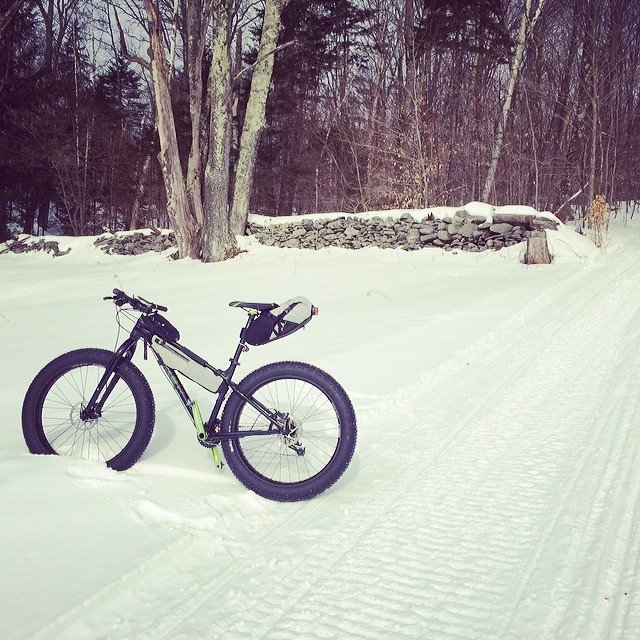
The author Fat Bike Riding in Vermont Temps -10F
What Makes the Best Balm for a Windburned Face
A useful face balm should support two needs at once: immediate comfort and barrier recovery. The texture matters, but only in context. An overly light product may not provide enough lasting protection on cracked, wind-exposed cheeks. An extremely heavy product can feel uncomfortable during the day or may not agree with every acne-prone complexion. The right choice depends on your skin, your conditions, and whether you are applying it before sleep or heading back outside.
Look first for a balm designed to reduce moisture loss. Occlusive and emollient components form a breathable protective layer over dry skin, softening rough areas and slowing the evaporation that keeps windburn feeling tight. This is especially useful on the cheeks, nose, lips, and around the eyes, where exposure is often concentrated.
Next, favor a formula built around calming, antioxidant, and anti-inflammatory support. Environmental exposure creates oxidative stress alongside visible redness and discomfort. A recovery-focused balm should do more than make skin look shiny for an hour. It should help create conditions where the barrier can settle, retain moisture, and recover from the day.
Finally, choose a formula you will actually use with clean hands after every hard outing. Small details count. A balm that is too fragranced, stings on compromised skin, or feels too slippery under a buff is less likely to become part of a reliable routine. For facial windburn, practical performance beats novelty.
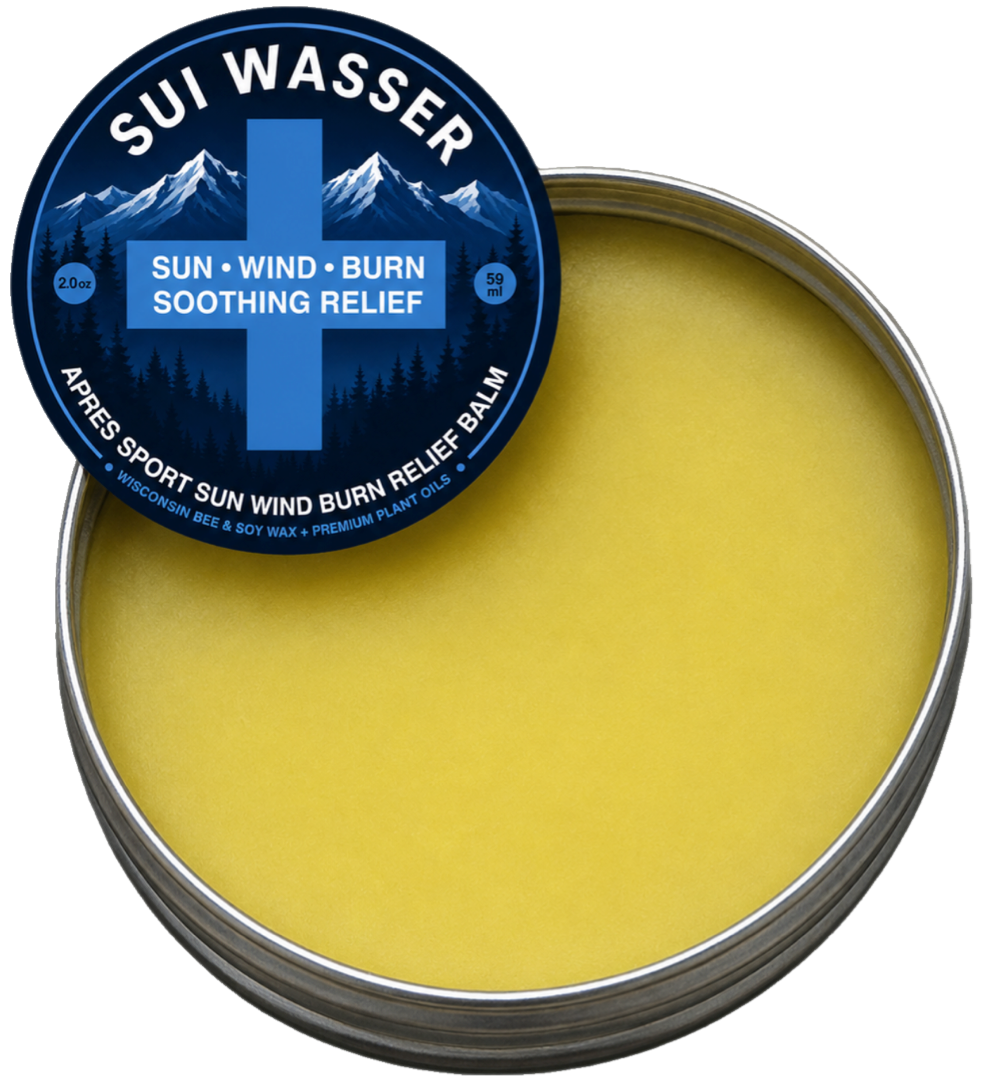
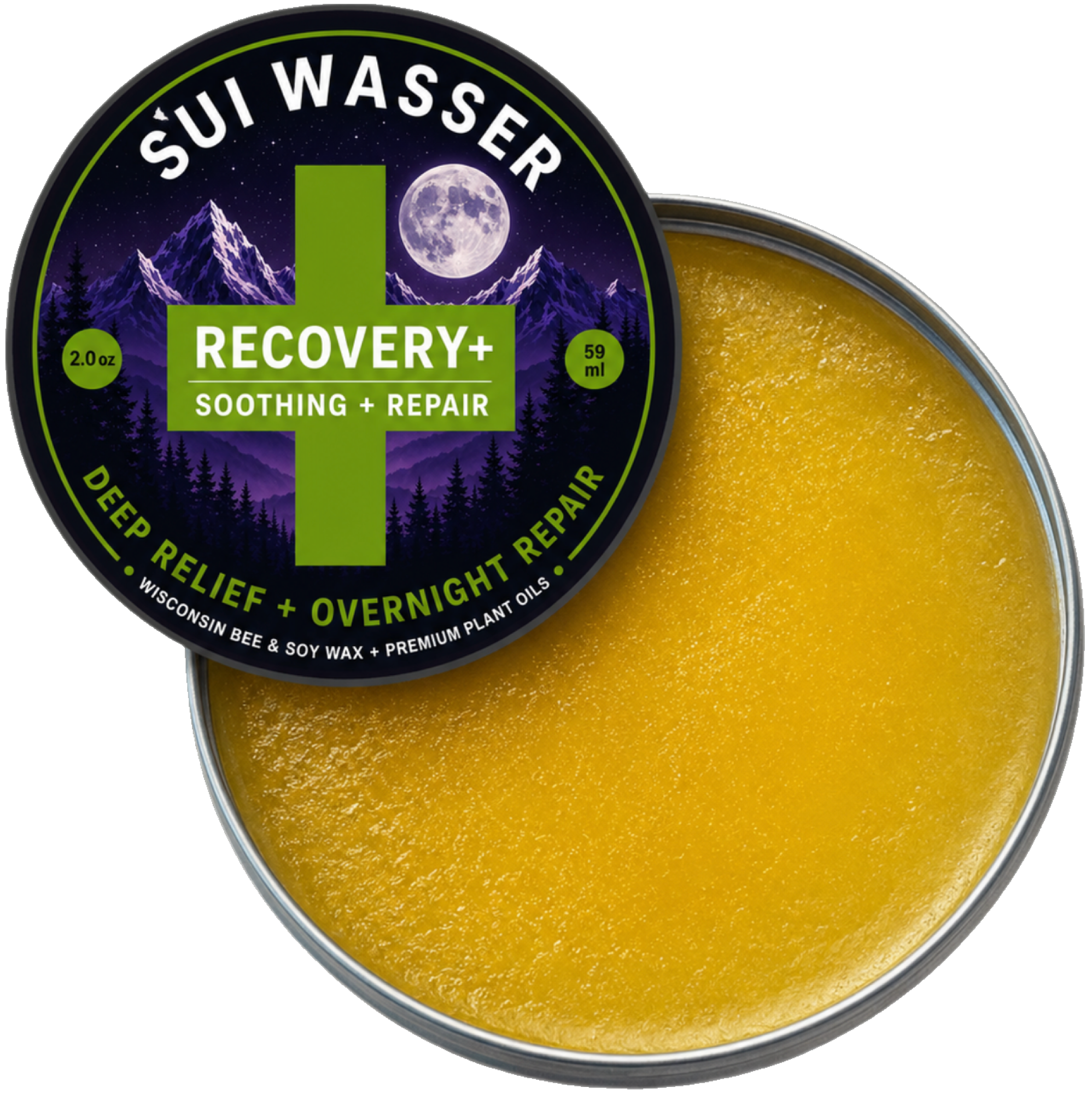
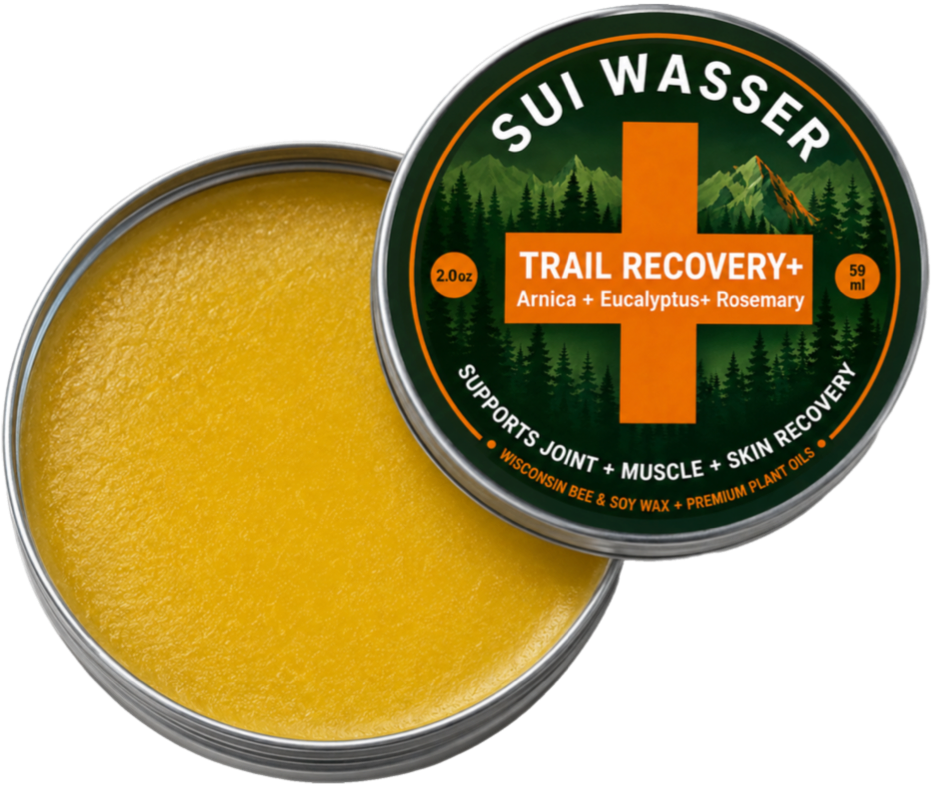
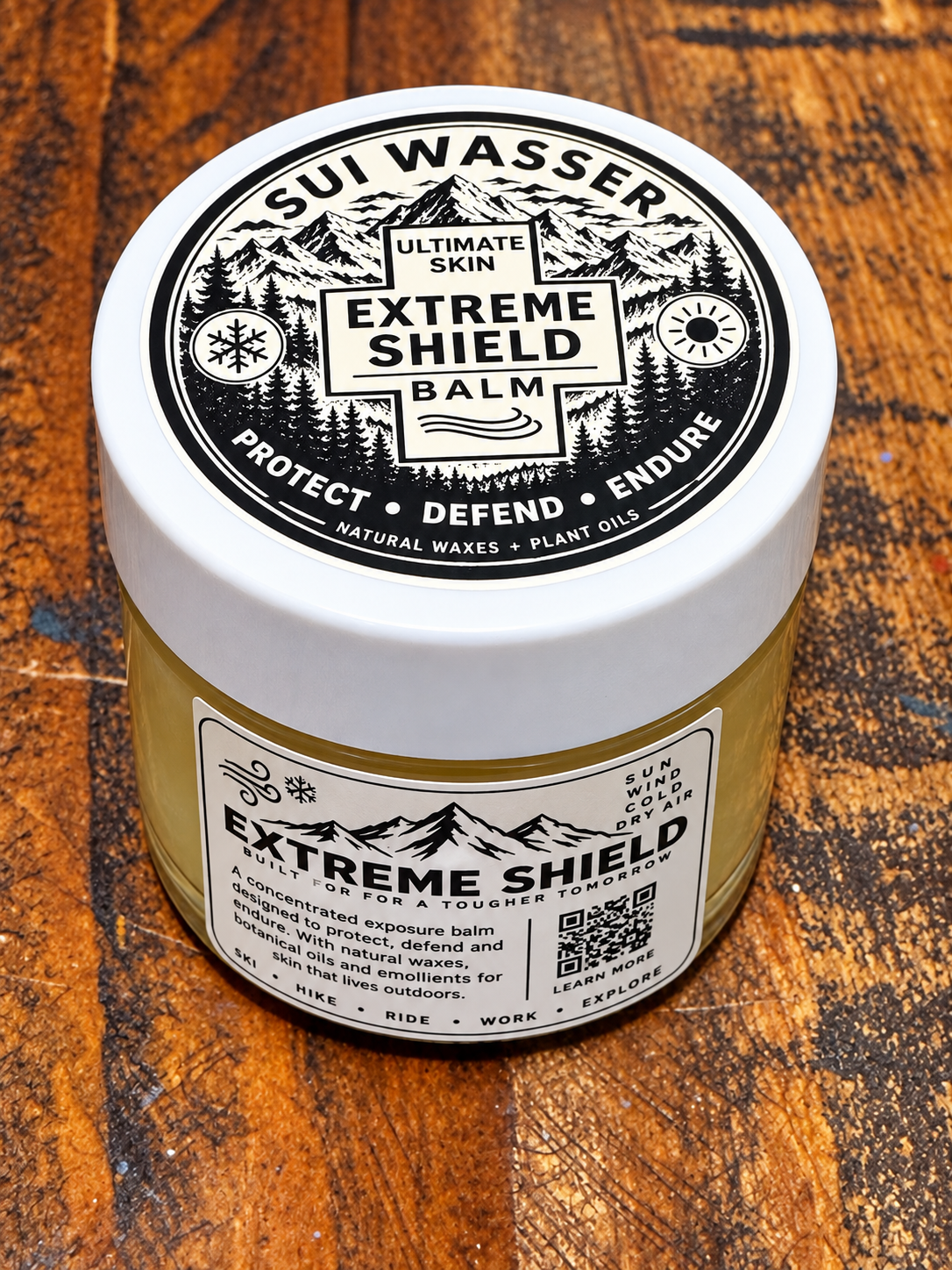
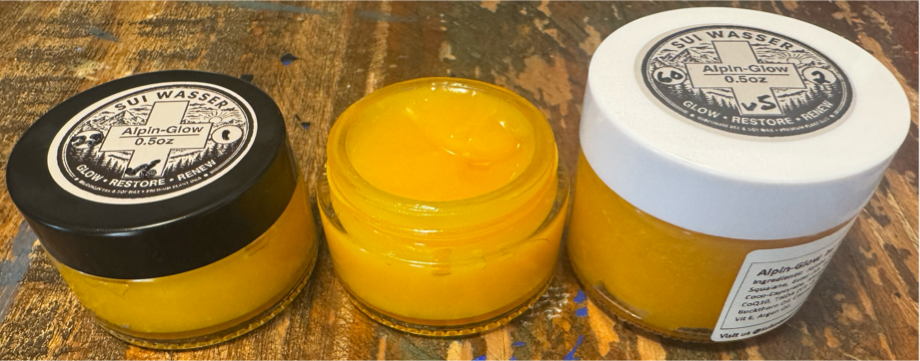
Description: SUI WASSER produces premium, small-batch, balms, designed for post-exposure care—mitigating the effects of UV radiation and damage caused by extreme cold, wind, heat, and dry air.
Balm texture should match the moment
During the day, a thinner layer can protect vulnerable zones without making the whole face feel coated. Before bed, after a long day outdoors apply a more generous application, especially after cleansing away sunscreen, sweat, salt, and airborne debris.
If your face is merely dry, a daily facial balm may be enough. If it is actively red, tender, and tight after a day in wind and sun, reach for a purpose-built post-exposure balm such as SUI WASSER’s Extreme Shield. If the damage is recurring or your skin is rough by morning, an intensive overnight balm is the better move. Think of it as recovery programming, not a single emergency fix.
How to Apply Balm Without Irritating Windburn Further
The goal is to reduce stress, not scrub your way back to normal. Gently wash with lukewarm water and a gentle cleanser, or simply rinse if your face is not dirty. Hot water, exfoliating acids, rough washcloths, and aggressive towel drying can all make a compromised barrier feel worse.
Pat the face dry, leaving it slightly damp rather than bone dry. Then warm a small amount of RECOVERY+ balm between clean fingertips and spread it onto the most exposed areas. Start with the cheekbones, bridge and sides of the nose, chin, and any place rubbed by goggles, a helmet strap, scarf, or collar. Do not rub hard. Windburned skin has had enough friction.
For a standard recovery night, apply balm after cleansing and leave it alone. Skip strong retinoids, exfoliants, and new active products until the sting and redness have settled. If you use a water-based hydrator that your skin tolerates well, apply it first and seal it in with balm. The balm helps hold that moisture where it belongs.
A morning layer can be useful before another day outside, but keep it light and allow it to settle before sunscreen. Then reapply broad-spectrum sunscreen as directed. On severe weather days, physical coverage such as a face mask, buff, or balaclava gives your skin a much-needed reduction in exposure.
A Recovery System Beats One Random Jar
The best approach is rarely one product used for every condition. Outdoor skin changes with the season and the task. A gardener dealing with dry spring wind needs something different from a skier with raw cheekbones after a reflective high-altitude day. A cyclist may have facial exposure plus friction at the neck and jawline. A sailor may be recovering from salt, sun, and wind all at once.
SUI WASSER organizes that reality into a five-balm recovery system. Après Sport fits the immediate post-exposure window, when skin feels stressed and needs soothing support. Recovery+ is made for intensive overnight facial recovery when a simple daytime layer is not enough. Alpin-Glow serves daily facial and eye care, while Trail Recovery+ extends recovery to skin plus muscle and joint needs. Anti-Chafe addresses the friction piece before and after activity.
That does not mean every outing requires a five-step routine. It means you can match the tool to the exposure. After a normal dry, windy commute, daily facial care may be enough. After eight hours on snow, in a field, or on open water, moving from immediate soothing care to overnight recovery is a smarter response than applying the same basic moisturizer and hoping for the best.
When Windburn Needs More Than Balm
A balm can be highly effective for dryness, tightness, roughness, and mild irritation, but it has limits. If skin is blistered, severely swollen, cracking deeply, oozing, or unusually painful, stop experimenting with products and seek guidance from a healthcare professional. The same is true if redness spreads, symptoms worsen after several days, or you suspect a significant sunburn, allergic reaction, or infection.
People with eczema, rosacea, or known ingredient sensitivities should patch test new products when their skin is calm. When the barrier is already compromised, even a normally well-tolerated formula can feel different. Keep the rest of your routine simple and introduce one variable at a time.
The practical test is straightforward: after applying your balm, does skin feel calmer, less tight, and more comfortable over the next several hours? By the next morning, does it look less rough and feel more resilient? Those are better markers than a temporary glossy finish.
Wind will always be part of the work and the reward of being outside. Give your face the same recovery discipline you give sore legs, tired hands, and a hard-used kit. A consistent balm routine after exposure helps keep one punishing weather day from becoming a week of uncomfortable skin.
Further Reading
If you’d like to learn more about wind exposure, skin-barrier health, post-exposure recovery, and long-term Skin Longevity, continue exploring:
Windburn vs. Sunburn: Can Wind-Damaged Skin Become More Vulnerable to UV?
A deeper look at how wind, cold and dry air affect the skin barrier—and what research suggests about the relationship between barrier disruption and UV exposure.
Why Your Skin Barrier Changes as You Age — and Why Outdoor Exposure Matters
Explore how the skin barrier changes over time and why repeated exposure to sun, wind, cold and dry air makes barrier support increasingly important.
The Skin Longevity Library
Explore the science behind outdoor exposure, oxidative stress, barrier disruption, post-exposure recovery, photoprotection and the emerging field of Skin Longevity.
Recovery+ Balm — Intensive Overnight Recovery for Outdoor Skin
Discover SUI WASSER Recovery+, our concentrated overnight balm formulated with antioxidant and barrier-supporting ingredients for skin exposed to sun, wind, cold and dry air.
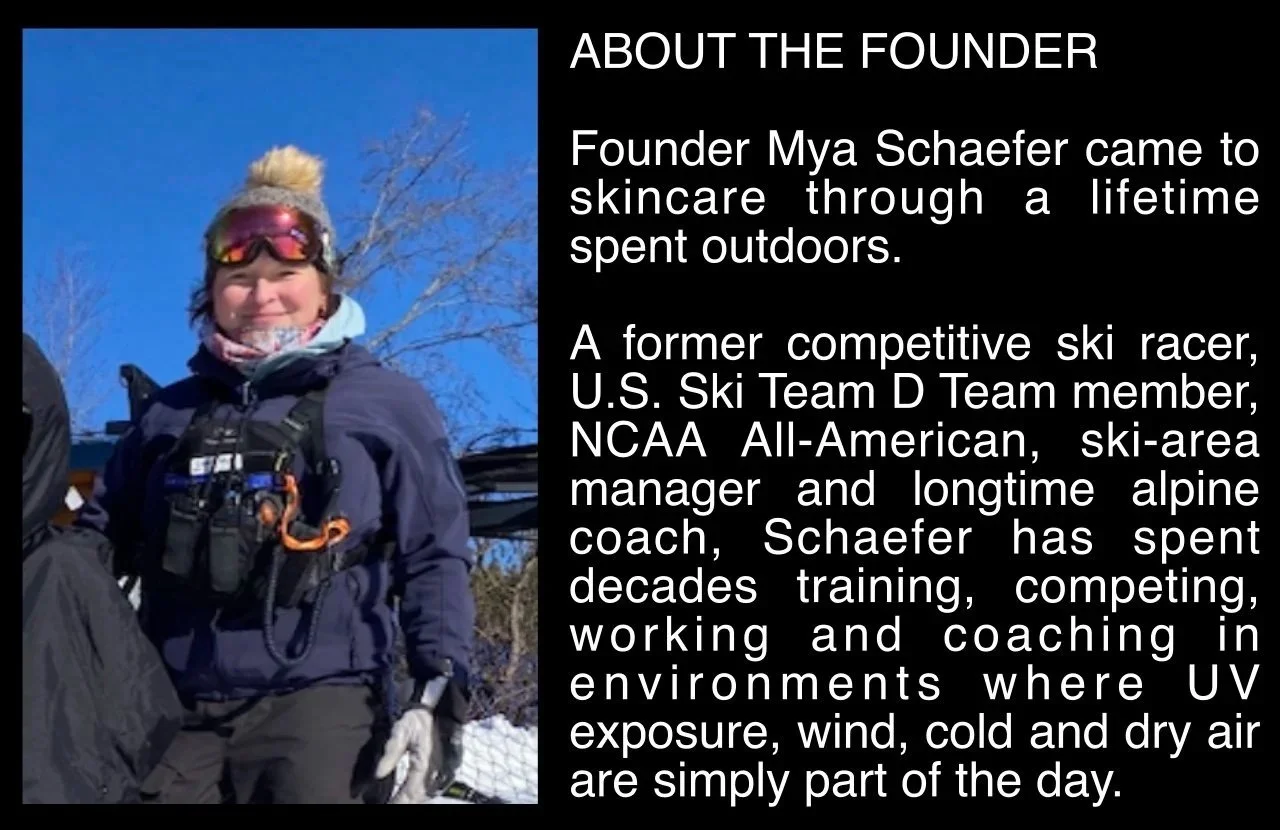
About the author: Mya Schaefer is a life-long outdoor athlete participating in multiple sports from Alpine Skiing, Mountain Biking, Climbing, Sailing, Whitewater Kayaking, Raft Guide, and Ice Climbing. Today Mya volunteers as an alpine ski coach at her local ski club.
